Hey there! As a supplier of fiberglass guardrails, I often get asked if these guardrails can be used in museums. Well, let's dive right into this topic and see if fiberglass guardrails are a good fit for museums.
Advantages of Fiberglass Guardrails for Museums
First off, let's talk about the advantages. One of the biggest perks of fiberglass guardrails is their durability. Museums house valuable and often delicate artifacts, and they need a guardrail that can withstand the test of time and the constant flow of visitors. Fiberglass is resistant to corrosion, rust, and rot, which means it won't degrade easily over the years. This is a huge plus for museums, as they don't want to be constantly replacing guardrails due to wear and tear.
Another advantage is the aesthetic appeal. Fiberglass guardrails can be molded into various shapes and designs, allowing them to blend in seamlessly with the museum's architecture and decor. Whether it's a modern, minimalist museum or a more traditional one, fiberglass guardrails can be customized to match the overall style. You can check out some of the stylish Fiberglass Balustrades we offer on our website.
Fiberglass is also a lightweight material, which makes installation a breeze. In a museum setting, where you might need to install guardrails in different areas without causing too much disruption, this is a significant advantage. You can quickly and easily set up the guardrails without having to worry about heavy equipment or long installation times.
Safety Considerations
Safety is a top priority in museums, and fiberglass guardrails can play a crucial role in ensuring the well - being of visitors. They can be designed to meet strict safety standards, with proper height and spacing to prevent people from accidentally falling or getting through. The smooth surface of fiberglass also reduces the risk of injuries from sharp edges or rough surfaces.
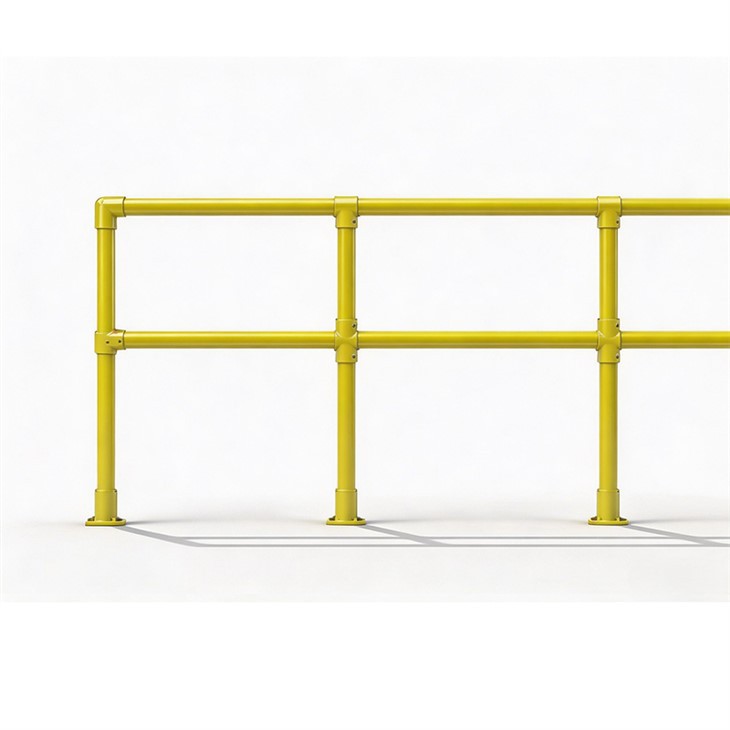
Our Industrial Guardrail System is designed with safety in mind. It provides a reliable barrier to protect both visitors and the museum's exhibits. The system is engineered to withstand a certain amount of force, which is crucial in a public space like a museum where there might be a large number of people moving around.
Maintenance
Museums have a lot on their plate when it comes to maintaining their facilities. Fiberglass guardrails are incredibly low - maintenance. Unlike metal guardrails that may require regular painting to prevent rust, fiberglass only needs occasional cleaning. A simple wash with mild soap and water is usually enough to keep them looking good as new. This saves the museum both time and money in the long run.
Compatibility with Museum Environments
Museums often have specific environmental requirements to protect their collections. Fiberglass guardrails are non - conductive, which means they won't interfere with any electrical or electronic systems in the museum. They are also resistant to chemicals and UV rays, which is important in a museum where the lighting and climate control systems can be sensitive.
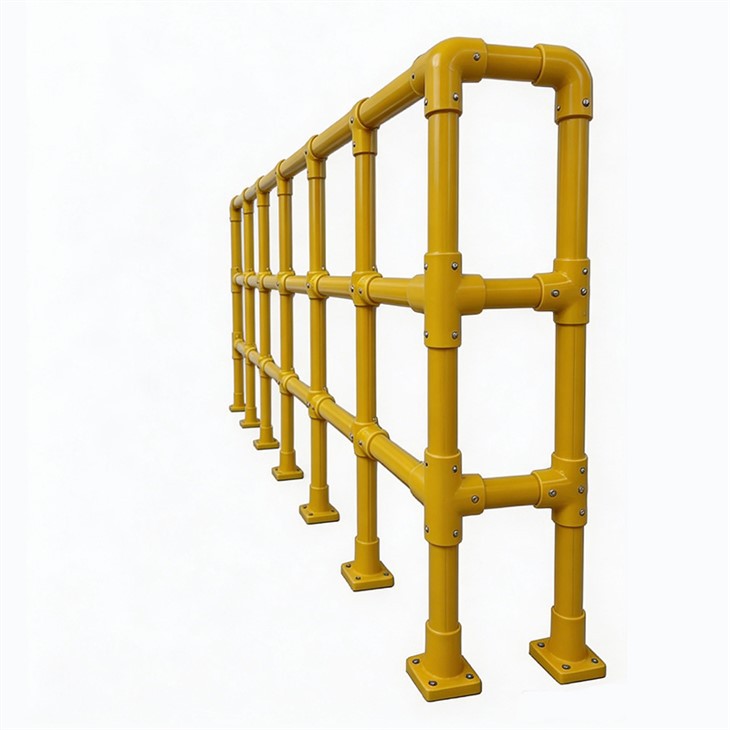
Our FRP Handrail System is made from high - quality fiberglass that is suitable for a variety of museum environments. It can handle different levels of humidity and temperature without warping or degrading.
Potential Drawbacks
Of course, no product is perfect, and fiberglass guardrails do have a few potential drawbacks. One concern might be the initial cost. Fiberglass guardrails can be more expensive than some other materials, such as wood or metal. However, when you consider the long - term savings in maintenance and replacement costs, it can be a worthwhile investment.
Another potential issue is the perception of quality. Some people might think that fiberglass is an inferior material compared to traditional materials like wood or metal. But in reality, fiberglass has come a long way in terms of quality and performance, and it can offer many benefits that other materials can't.
Conclusion
So, can fiberglass guardrails be used in museums? The answer is a resounding yes! They offer a great combination of durability, aesthetic appeal, safety, and low maintenance, making them a suitable choice for museums of all types.
If you're a museum curator, architect, or anyone involved in the planning and maintenance of a museum, I encourage you to consider fiberglass guardrails for your next project. We have a wide range of products to meet your specific needs, and our team is always ready to provide you with more information.
If you're interested in learning more about our fiberglass guardrails or would like to discuss a potential purchase, don't hesitate to reach out. We're here to help you make the best decision for your museum.
References
- Industry reports on fiberglass materials in architectural applications
- Case studies of museums using fiberglass guardrails
- Technical specifications of our fiberglass guardrail products