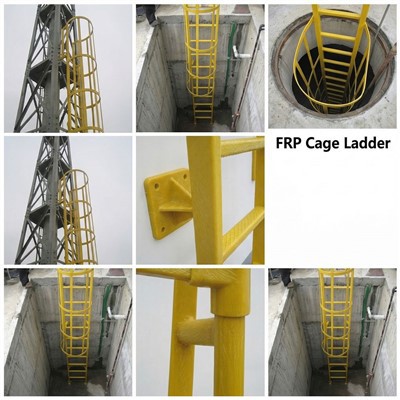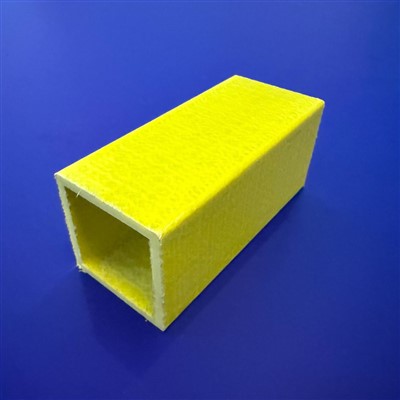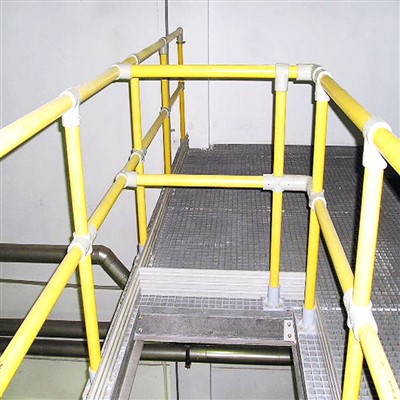
As a supplier of FRP (Fiberglass Reinforced Plastic) cage ladders, I often encounter inquiries about the special handling requirements for these products. FRP cage ladders are widely used in various industries due to their excellent properties such as corrosion resistance, high strength, and low maintenance. However, to ensure their longevity and safe use, proper handling is crucial.
Storage and Transportation
One of the first aspects to consider is the storage and transportation of FRP cage ladders. Unlike traditional metal ladders, FRP ladders are more sensitive to certain environmental conditions. When storing FRP cage ladders, it is important to keep them in a dry and well - ventilated area. Exposure to excessive moisture can lead to the growth of mold and mildew on the surface of the ladder, which may compromise its structural integrity over time.
During transportation, FRP cage ladders should be properly secured to prevent them from shifting or being damaged. They should be placed on a flat and stable surface. If possible, use protective padding to cushion the ladders and prevent scratches or dents. It is also advisable to avoid stacking heavy objects on top of FRP ladders, as they can cause deformation.
Installation
The installation of FRP cage ladders requires careful attention. First, ensure that the installation site is clean and free of debris. The surface where the ladder will be mounted should be level and able to support the weight of the ladder and any users. Before installation, check all the components of the FRP cage ladder for any signs of damage. If any parts are damaged, they should be replaced immediately.


When installing the ladder, follow the manufacturer's instructions precisely. Use the appropriate tools and fasteners. For example, when attaching the ladder to a structure, use stainless - steel bolts or other corrosion - resistant fasteners to prevent rust and ensure a secure connection. Make sure that all joints are tight and properly aligned.
Cleaning and Maintenance
Regular cleaning and maintenance are essential for the proper functioning of FRP cage ladders. To clean an FRP cage ladder, use a mild detergent and warm water. Avoid using abrasive cleaners or solvents, as they can damage the surface of the ladder. Gently scrub the ladder with a soft brush or sponge to remove dirt, dust, and other contaminants.
After cleaning, rinse the ladder thoroughly with clean water and allow it to dry completely. Inspect the ladder regularly for any signs of wear and tear, such as cracks, chips, or loose parts. If any issues are detected, take appropriate measures to repair or replace the damaged components.
Safety Precautions
When handling FRP cage ladders, safety should always be the top priority. Users should be trained on how to use the ladders safely. They should follow the weight capacity limits specified by the manufacturer. Overloading the ladder can lead to structural failure and serious accidents.
Before using the ladder, check for any signs of damage or instability. Make sure that the ladder is properly set up and secured. When climbing the ladder, maintain three points of contact at all times to prevent falls.
Comparison with Other Types of Ladders
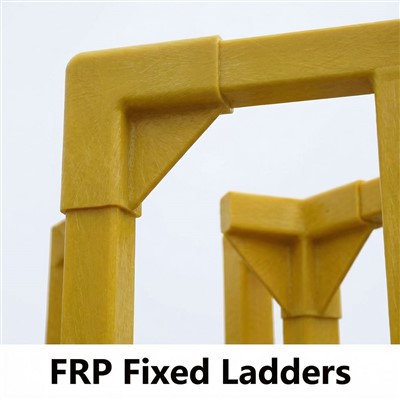
FRP cage ladders have several advantages over other types of ladders. For example, compared to FRP Fixed Ladders, FRP cage ladders provide an additional layer of safety with the cage structure. The cage helps to prevent users from falling off the sides of the ladder, especially when working at height.
FRP Step Ladders are more suitable for short - term, low - height tasks, while FRP cage ladders are designed for long - term use and higher elevations. Fiberglass Straight Ladders are often used for simple vertical access, but FRP cage ladders offer more protection and stability, especially in industrial settings.
Quality Assurance
As a supplier, we ensure that our FRP cage ladders meet the highest quality standards. We use high - quality fiberglass materials and advanced manufacturing processes to produce ladders that are durable and reliable. Our ladders are tested for strength, corrosion resistance, and other important properties before they are shipped to customers.
Conclusion
In conclusion, there are indeed special handling requirements for FRP cage ladders. From storage and transportation to installation, cleaning, and maintenance, each step plays a crucial role in ensuring the safety and longevity of the ladders. By following these requirements, users can maximize the performance of FRP cage ladders and reduce the risk of accidents.
If you are interested in purchasing FRP cage ladders or have any questions about their handling and use, please feel free to contact us for further discussion. We are committed to providing you with the best products and services to meet your needs.
References
- Industry standards for FRP products
- Manufacturer's guidelines for FRP cage ladders
- Safety regulations for ladder use in industrial settings