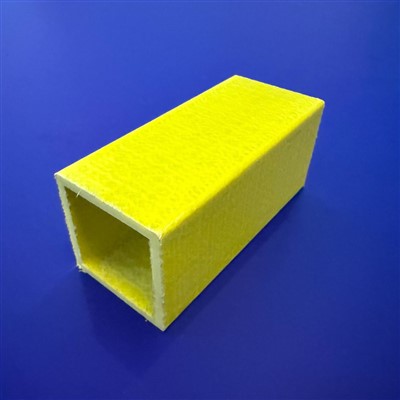
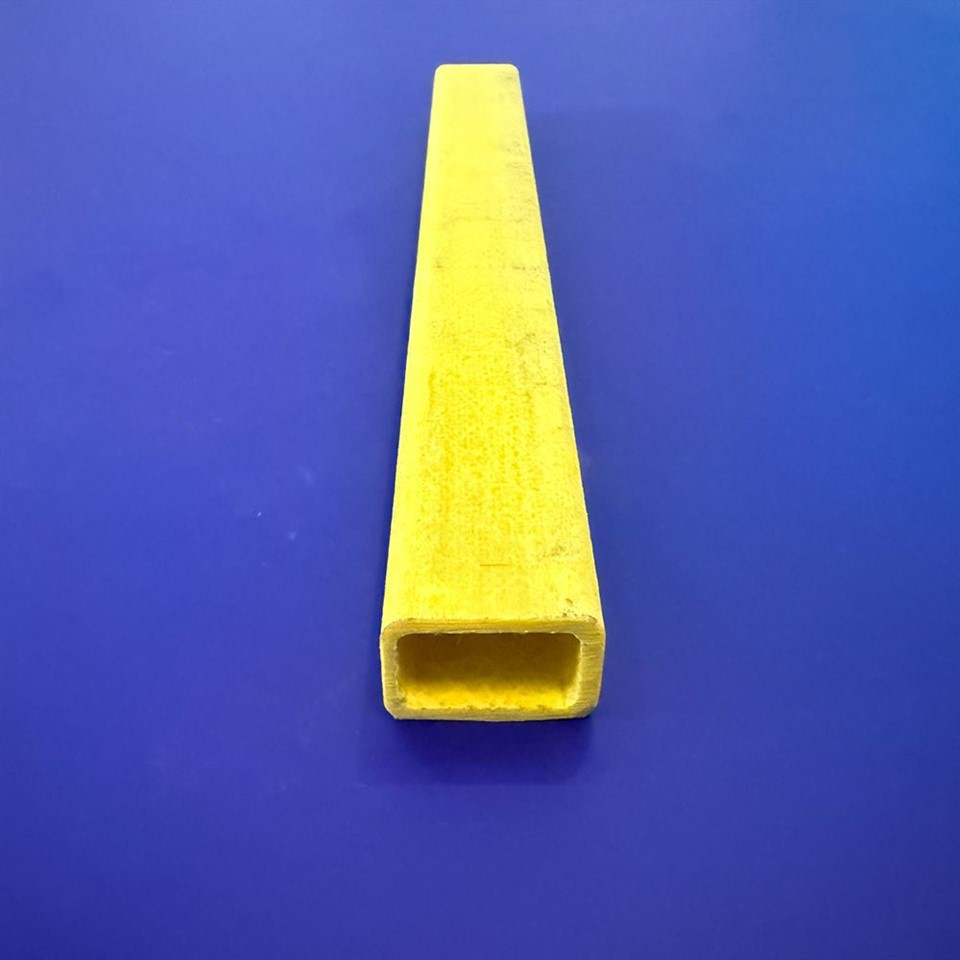
Hey there! As a supplier of FRP Rectangular Tubes, I've been getting a lot of questions lately about how the wall thickness of these tubes affects their performance. So, I thought I'd take a deep dive into this topic and share some insights with you all.
First off, let's talk about what FRP (Fiber Reinforced Plastic) is. FRP is a composite material made up of a polymer matrix reinforced with fibers, usually glass or carbon. It's known for its high strength, corrosion resistance, and lightweight properties, which make it a popular choice in a variety of industries, including construction, transportation, and manufacturing.
Now, when it comes to FRP Rectangular Tubes, the wall thickness plays a crucial role in determining their performance. Let's break down the different aspects of performance that are affected by wall thickness.
Strength and Load-Bearing Capacity
One of the most obvious ways that wall thickness affects the performance of FRP Rectangular Tubes is in their strength and load-bearing capacity. Generally speaking, the thicker the wall of the tube, the stronger it will be. This is because a thicker wall provides more material to resist external forces, such as bending, compression, and torsion.
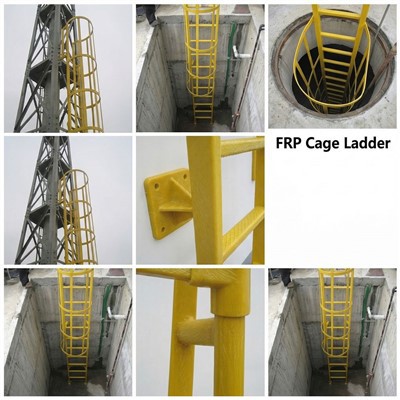
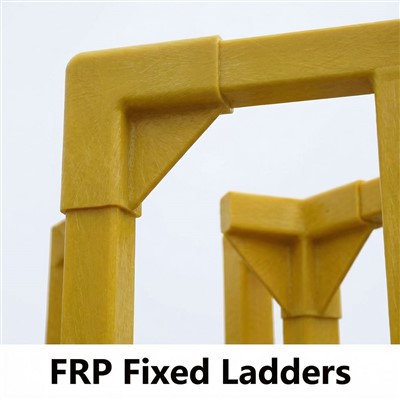
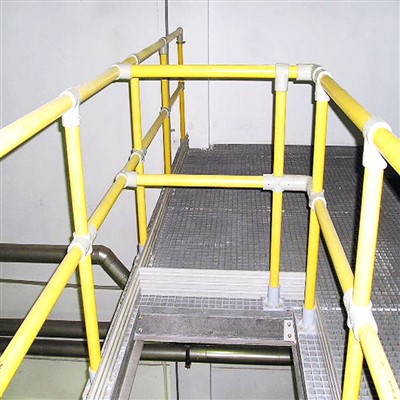
For example, if you're using FRP Rectangular Tubes in a structural application, like a building frame or a bridge, you'll want to choose a tube with a thicker wall to ensure that it can support the weight and loads placed on it. On the other hand, if you're using the tubes in a less demanding application, like a handrail or a decorative element, a thinner wall may be sufficient.
Stiffness
Wall thickness also affects the stiffness of FRP Rectangular Tubes. Stiffness refers to the ability of a material to resist deformation under load. A thicker wall will generally result in a stiffer tube, which means it will be less likely to bend or flex when subjected to external forces.
This is important in applications where dimensional stability is crucial, such as in precision machinery or equipment. A stiffer tube will maintain its shape and dimensions more accurately, which can improve the overall performance and reliability of the system.
Corrosion Resistance
FRP is already known for its excellent corrosion resistance, but the wall thickness can also play a role in this aspect. A thicker wall provides an additional layer of protection against corrosion, as it takes longer for corrosive agents to penetrate through the material.
This is particularly important in environments where the tubes are exposed to harsh chemicals, moisture, or saltwater. By choosing a tube with a thicker wall, you can ensure that it will have a longer lifespan and require less maintenance over time.
Cost
Of course, wall thickness also has an impact on the cost of FRP Rectangular Tubes. Generally speaking, the thicker the wall, the more expensive the tube will be. This is because more material is required to manufacture a tube with a thicker wall, which increases the production cost.
However, it's important to consider the long-term cost benefits when choosing the wall thickness. A thicker wall may cost more upfront, but it can also provide better performance and durability, which can save you money in the long run by reducing the need for repairs and replacements.

Choosing the Right Wall Thickness
So, how do you choose the right wall thickness for your application? Well, it depends on a variety of factors, including the specific requirements of your project, the load and stress conditions, and your budget.
Here are some general guidelines to help you make an informed decision:
- Structural Applications: If you're using FRP Rectangular Tubes in a structural application, such as a building frame or a bridge, you'll typically need a thicker wall to ensure that the tubes can support the weight and loads placed on them. A wall thickness of at least 3mm is usually recommended for these types of applications.
- Non-Structural Applications: For non-structural applications, such as handrails, decorative elements, or lightweight structures, a thinner wall may be sufficient. A wall thickness of 1-2mm is often used for these types of applications.
- Environmental Conditions: If the tubes will be exposed to harsh environmental conditions, such as chemicals, moisture, or saltwater, you'll want to choose a thicker wall to provide better corrosion resistance. A wall thickness of at least 3mm is usually recommended for these types of environments.
- Budget: Of course, your budget will also play a role in your decision. If you're on a tight budget, you may need to choose a thinner wall to keep the cost down. However, it's important to balance cost with performance and durability to ensure that you're getting the best value for your money.
Other Considerations
In addition to wall thickness, there are other factors that can affect the performance of FRP Rectangular Tubes. Here are a few things to keep in mind:
- Fiber Orientation: The orientation of the fibers in the FRP material can also affect the strength and stiffness of the tubes. Generally speaking, fibers that are oriented parallel to the length of the tube will provide better strength and stiffness in that direction.
- Resin Type: The type of resin used in the FRP material can also affect its performance. Different resins have different properties, such as chemical resistance, temperature resistance, and UV resistance. Make sure to choose a resin that is suitable for your specific application.
- Manufacturing Process: The manufacturing process used to produce the FRP Rectangular Tubes can also affect their quality and performance. Look for a supplier that uses high-quality materials and advanced manufacturing techniques to ensure that the tubes meet your specifications.
Conclusion
In conclusion, the wall thickness of FRP Rectangular Tubes plays a crucial role in determining their performance. A thicker wall generally provides better strength, stiffness, and corrosion resistance, but it also comes at a higher cost. When choosing the wall thickness for your application, it's important to consider the specific requirements of your project, the load and stress conditions, and your budget.
If you're interested in learning more about FRP Rectangular Tubes or other FRP products, such as FRP Solid Rod or FRP Square Tube, feel free to contact us for more information. We'd be happy to help you find the right product for your needs and answer any questions you may have.
References
- "Fiber Reinforced Plastic (FRP) Composites: Properties and Applications" by John M. Whitney
- "Handbook of FRP Composites for Civil and Structural Engineering" edited by A. H. Khalil and S. K. Saha
- "FRP Structures: Advanced Composites for Civil Engineering" by A. H. Khalil and S. K. Saha