In the realm of arboriculture, ensuring the stability and healthy growth of trees is a paramount concern, especially in windy conditions. As a supplier of tree support stakes, I've witnessed firsthand the significant role these stakes play in safeguarding trees against the forces of nature. In this blog, I'll delve into the science behind how tree support stakes help in windy conditions, highlighting their benefits and why our FRP Tree Support Stakes are a top choice for arborists and tree enthusiasts alike.


The Impact of Wind on Trees
Wind is a natural phenomenon that can have both positive and negative effects on trees. On one hand, gentle breezes help strengthen tree trunks by stimulating the growth of additional wood cells. However, strong winds, especially during storms or hurricanes, can pose a serious threat to tree stability. High winds can cause trees to sway excessively, leading to root damage, trunk breakage, or even uprooting.
The risk of wind damage is particularly high for young or newly planted trees. These trees have not yet developed a strong root system to anchor them firmly in the ground. As a result, they are more susceptible to being toppled by strong winds. Even mature trees can be at risk if they are weakened by disease, pests, or other factors.
How Tree Support Stakes Work
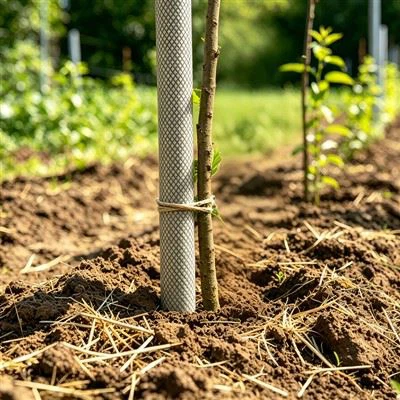
Tree support stakes are designed to provide additional stability to trees, especially in windy conditions. They work by anchoring the tree to the ground, reducing the amount of sway caused by wind. By limiting the movement of the tree, support stakes help prevent root damage and trunk breakage, allowing the tree to grow and develop properly.
There are several types of tree support stakes available on the market, including wooden stakes, metal stakes, and fiberglass-reinforced plastic (FRP) stakes. Each type of stake has its own advantages and disadvantages, but FRP stakes are becoming increasingly popular due to their durability, strength, and flexibility.
Benefits of FRP Tree Support Stakes
- Durability: FRP stakes are made from a composite material that is highly resistant to rot, decay, and insect damage. Unlike wooden stakes, which can deteriorate over time, FRP stakes can last for many years, providing long-term support for trees.
- Strength: FRP stakes are extremely strong and can withstand high winds and other environmental stresses. They are designed to flex and bend with the tree, rather than break, which helps prevent damage to the tree and the stake.
- Flexibility: FRP stakes are flexible, which allows them to adapt to the natural movement of the tree. This flexibility helps reduce the stress on the tree's roots and trunk, preventing damage and promoting healthy growth.
- Lightweight: FRP stakes are lightweight, which makes them easy to install and handle. They can be easily transported to the job site and installed without the need for heavy equipment.
- Aesthetically Pleasing: FRP stakes are available in a variety of colors and finishes, which allows them to blend in with the surrounding environment. This makes them a popular choice for landscaping projects where aesthetics are important.
Installation of Tree Support Stakes
Proper installation of tree support stakes is crucial to ensure their effectiveness. Here are some general guidelines for installing tree support stakes:
- Choose the Right Stakes: Select stakes that are appropriate for the size and type of tree. The stakes should be long enough to reach below the root ball and provide adequate support.
- Install the Stakes at the Right Angle: The stakes should be installed at a slight angle away from the tree, typically about 30 degrees. This helps prevent the stakes from rubbing against the tree trunk and causing damage.
- Use the Right Tie Material: Use a soft, flexible tie material, such as tree straps or rubber hoses, to attach the tree to the stakes. Avoid using wire or other materials that can cut into the tree bark and cause damage.
- Adjust the Ties Regularly: As the tree grows, the ties may need to be adjusted to ensure that they are not too tight or too loose. Check the ties regularly and make any necessary adjustments.
Case Studies
To illustrate the effectiveness of tree support stakes in windy conditions, let's take a look at a few case studies:
- **Case Study 1: A newly planted oak tree in a coastal area was at risk of being uprooted by strong winds. The tree was installed with FRP support stakes and tied securely to the stakes. During a severe storm, the tree remained standing while several nearby trees were uprooted. The FRP stakes provided the necessary support to keep the tree stable and prevent damage.
- **Case Study 2: A mature maple tree in an urban area was damaged by a strong windstorm. The tree had a large crack in the trunk and was at risk of falling. The tree was installed with FRP support stakes and a cable system to provide additional support. Over time, the tree recovered and the crack in the trunk healed. The FRP stakes and cable system helped prevent further damage to the tree and allowed it to continue growing.
Conclusion
In conclusion, tree support stakes play a crucial role in protecting trees against the forces of nature, especially in windy conditions. By providing additional stability and reducing the amount of sway caused by wind, support stakes help prevent root damage, trunk breakage, and uprooting, allowing trees to grow and develop properly.
As a supplier of FRP Tree Support Stakes, we are committed to providing high-quality products that meet the needs of our customers. Our FRP stakes are designed to be durable, strong, and flexible, providing long-term support for trees in a variety of environments.
If you're interested in learning more about our tree support stakes or would like to discuss your specific needs, please don't hesitate to contact us. We'd be happy to help you find the right solution for your trees.
References
- Arboricultural Association. (2019). Tree Support Systems: A Guide for Arborists.
- International Society of Arboriculture. (2020). Best Management Practices for Tree Support Systems.
- University of Florida Extension. (2018). Tree Staking and Guying.