As a supplier of FRP Handrail Systems, I often encounter inquiries from clients regarding the possibility of connecting different sections of these systems. This question is crucial as it impacts the installation, flexibility, and overall functionality of the handrail in various settings. In this blog, I'll delve into the technical aspects, feasibility, and benefits of connecting different sections of an FRP Handrail System.
Technical Feasibility
FRP, or Fiberglass Reinforced Plastic, is a composite material known for its high strength, corrosion resistance, and lightweight properties. These characteristics make it an ideal choice for handrail systems in a wide range of industries, including Industrial Guardrail System. When it comes to connecting different sections of an FRP Handrail System, the process is indeed possible and can be achieved through several methods.
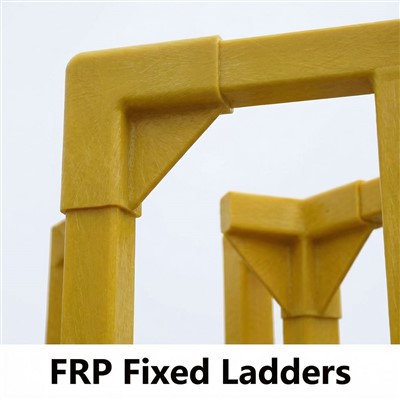
One of the most common methods is using mechanical fasteners. These fasteners are specifically designed to hold the FRP components together securely. They can be made of materials that are compatible with FRP, such as stainless steel, to prevent corrosion and ensure long - term durability. For example, bolts and nuts can be used to join two sections of the handrail. The holes are pre - drilled in the FRP components, and the fasteners are tightened to create a strong connection.
Another method is adhesive bonding. High - quality adhesives are available that are formulated to bond FRP materials effectively. Adhesive bonding provides a seamless and aesthetically pleasing connection. It also distributes the load evenly across the joint, reducing stress concentrations. However, it requires careful surface preparation to ensure a strong bond. The surfaces of the FRP sections need to be clean, dry, and free of any contaminants before applying the adhesive.
Advantages of Connecting Different Sections
There are several advantages to connecting different sections of an FRP Handrail System. Firstly, it offers flexibility in installation. In large industrial facilities or complex architectural structures, it may not be practical to install a single, continuous handrail. By connecting different sections, the handrail can be customized to fit the specific layout of the area. This allows for easy adaptation to curves, angles, and different levels.
Secondly, it simplifies transportation and storage. FRP handrails are often large and bulky. Shipping a single, long handrail can be challenging and costly. By dividing the handrail into sections, it becomes easier to transport and store. The sections can be assembled on - site, reducing the risk of damage during transit.
Thirdly, it facilitates maintenance and replacement. If a particular section of the handrail is damaged or needs to be replaced, it can be easily disconnected and removed. This is much more cost - effective and time - efficient compared to replacing an entire handrail.
Considerations for Connection
While connecting different sections of an FRP Handrail System is feasible, there are some considerations to keep in mind. The first is the alignment of the sections. Proper alignment is essential to ensure a smooth and safe handrail. Misaligned sections can create tripping hazards and reduce the overall strength of the handrail.
The second consideration is the load - bearing capacity of the connection. The connection must be able to withstand the same load as the rest of the handrail. This requires careful selection of fasteners or adhesives and proper installation techniques.
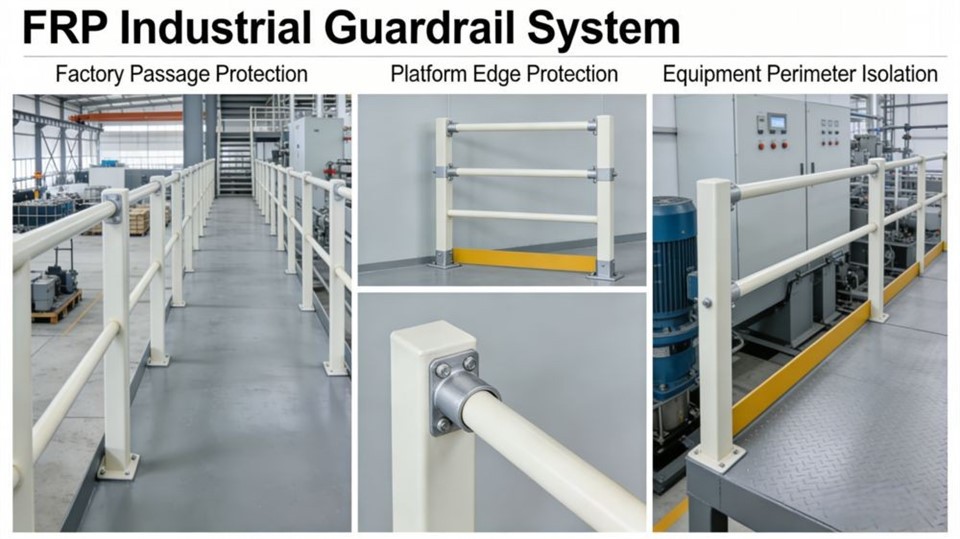

The third consideration is the environmental conditions. FRP handrails are often used in harsh environments, such as chemical plants or outdoor areas exposed to extreme weather. The connection should be able to resist corrosion, UV radiation, and other environmental factors to maintain its integrity over time.
Applications in Different Industries
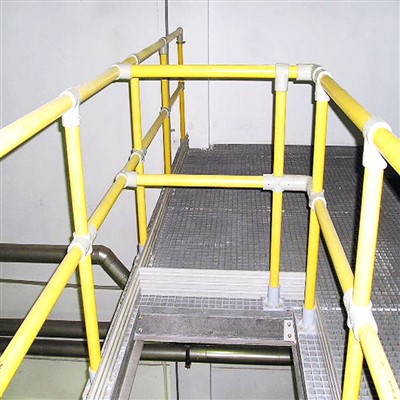
The ability to connect different sections of an FRP Handrail System makes it suitable for a wide range of industries. In the Fiberglass Guardrail industry, it is used in industrial plants to provide safety for workers on elevated platforms, walkways, and staircases. The flexibility of the connection allows the handrail to be installed in complex industrial settings.
In the construction industry, FRP handrails are used in commercial and residential buildings. They can be customized to match the architectural design of the building. The ability to connect sections makes it easier to install the handrail around corners and along irregularly shaped balconies.
In the marine industry, FRP handrails are used on boats and ships. The corrosion - resistant properties of FRP make it an ideal choice for the harsh marine environment. The connection of different sections allows for easy installation and replacement on the vessel.
Conclusion
In conclusion, it is definitely possible to connect different sections of an FRP Handrail System. Through mechanical fasteners or adhesive bonding, a strong and durable connection can be achieved. The advantages of connecting sections, such as flexibility in installation, ease of transportation, and simplified maintenance, make it a practical solution for various industries.
If you are considering an FRP Handrail System for your project, I encourage you to reach out to discuss your specific requirements. We can provide you with detailed information on the connection methods, materials, and installation processes. Our team of experts is ready to assist you in selecting the right FRP Handrail System for your needs.
References
- "Fiberglass Reinforced Plastic Handbook" by John Summers
- "Industrial Guardrail Design and Installation Guidelines" by the National Safety Council
- "Advances in Composite Materials for Handrail Systems" by the Journal of Composite Materials