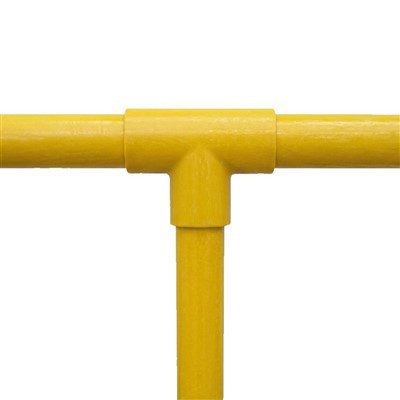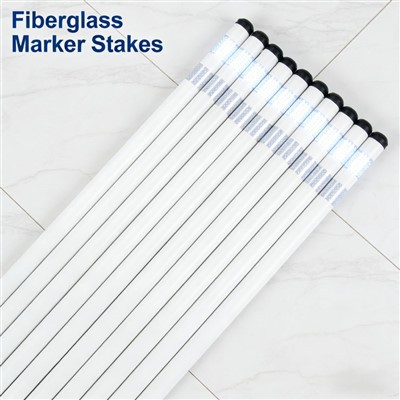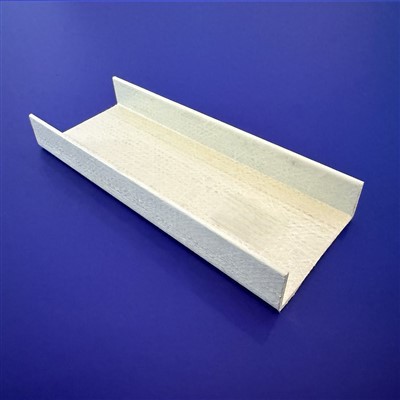
When it comes to enhancing the safety and aesthetics of residential buildings, the choice of handrail systems plays a crucial role. As a supplier of FRP (Fiber-Reinforced Polymer) Handrail Systems, I've been asked numerous times whether an FRP Handrail System can be used in residential buildings. In this blog, I'll explore the viability, benefits, and considerations of using FRP Handrail Systems in residential settings.
Viability of FRP Handrail Systems in Residential Buildings
FRP Handrail Systems are indeed suitable for residential buildings. Their design flexibility allows them to blend seamlessly with various architectural styles, from modern minimalist to traditional. Whether it's a single - family home, a townhouse, or an apartment complex, FRP handrails can be customized to meet the specific needs of each residential project.
One of the key factors contributing to their viability is the material's strength - to - weight ratio. FRP is incredibly strong yet lightweight, making it easier to install compared to traditional materials like steel or wood. This means that the installation process is less labor - intensive and can be completed more quickly, minimizing disruption to the residents.
Benefits of FRP Handrail Systems in Residential Use
Durability
FRP Handrail Systems are highly resistant to corrosion, rot, and rust. In a residential environment, this is a significant advantage, especially in areas with high humidity or near the coast. Unlike wood handrails that can warp, crack, or decay over time, and metal handrails that may rust, FRP handrails maintain their integrity for many years. This durability translates into long - term cost savings for homeowners, as they won't have to replace the handrails frequently.
Low Maintenance
Residential property owners often prefer low - maintenance solutions. FRP handrails require minimal upkeep. A simple cleaning with mild soap and water is usually sufficient to keep them looking good. There's no need for regular painting or staining as with wood or metal handrails. This not only saves time but also reduces the overall cost of maintaining the property.
Aesthetic Appeal
FRP Handrail Systems come in a wide range of colors and finishes. They can be made to look like wood, stone, or other materials, allowing homeowners to choose a style that complements the overall design of their home. Whether you want a classic, elegant look or a more contemporary feel, FRP handrails can be customized to match your vision. For example, a homeowner with a rustic - style house can opt for an FRP handrail that mimics the look of weathered wood, while someone with a modern home can choose a sleek, metallic - looking finish.
Safety
Safety is a top priority in residential buildings. FRP Handrail Systems are designed to meet or exceed safety standards. They provide a secure grip, which is essential for preventing falls, especially for children and the elderly. The smooth surface of FRP handrails also reduces the risk of splinters or sharp edges that could cause injury.
Considerations for Using FRP Handrail Systems in Residential Buildings
Cost
While FRP Handrail Systems offer long - term cost savings due to their durability and low maintenance, the initial cost may be higher compared to some traditional materials. However, it's important to consider the overall value. The extended lifespan and reduced maintenance requirements mean that, over time, the cost of an FRP handrail system can be more cost - effective than cheaper, less durable alternatives.

Local Building Codes
Before installing an FRP Handrail System in a residential building, it's crucial to check local building codes. Different regions may have specific requirements regarding the height, strength, and design of handrails. As a supplier, we ensure that our FRP Handrail System meets all relevant safety and building code standards. However, it's the responsibility of the homeowner or contractor to ensure compliance with local regulations.
Installation
Proper installation is essential for the performance and safety of an FRP Handrail System. While the lightweight nature of FRP makes installation easier, it still requires skilled labor. We recommend working with experienced installers who are familiar with FRP materials. Our company can provide installation guidelines and support to ensure that the handrail system is installed correctly.
Comparison with Other Handrail Materials
Wood Handrails
Wood handrails have a natural and warm appearance, which many homeowners find appealing. However, they require regular maintenance, such as staining and painting, to protect them from the elements. Wood is also susceptible to pests, rot, and warping. In contrast, FRP handrails offer similar aesthetic options without the high maintenance requirements.
Metal Handrails
Metal handrails, such as steel or aluminum, are strong and durable. However, they can rust over time, especially in humid or coastal environments. FRP handrails are corrosion - resistant, eliminating the need for rust prevention measures. Additionally, metal handrails can be heavy and difficult to install, while FRP handrails are lightweight and easier to handle.
Real - World Examples of FRP Handrail Systems in Residential Buildings
There are many residential projects where FRP Handrail Systems have been successfully installed. For instance, in a beachfront condominium complex, FRP handrails were chosen for their resistance to saltwater corrosion. The handrails not only provided a safe and secure grip for residents but also added a modern and stylish look to the building. Another example is a suburban single - family home where an FRP handrail system was installed on the staircase. The customizable design allowed the handrail to blend in perfectly with the home's traditional architecture.
Conclusion
In conclusion, an FRP Handrail System can be an excellent choice for residential buildings. Its durability, low maintenance, aesthetic appeal, and safety features make it a viable alternative to traditional handrail materials. While there are some considerations, such as cost and local building codes, the benefits far outweigh the drawbacks.
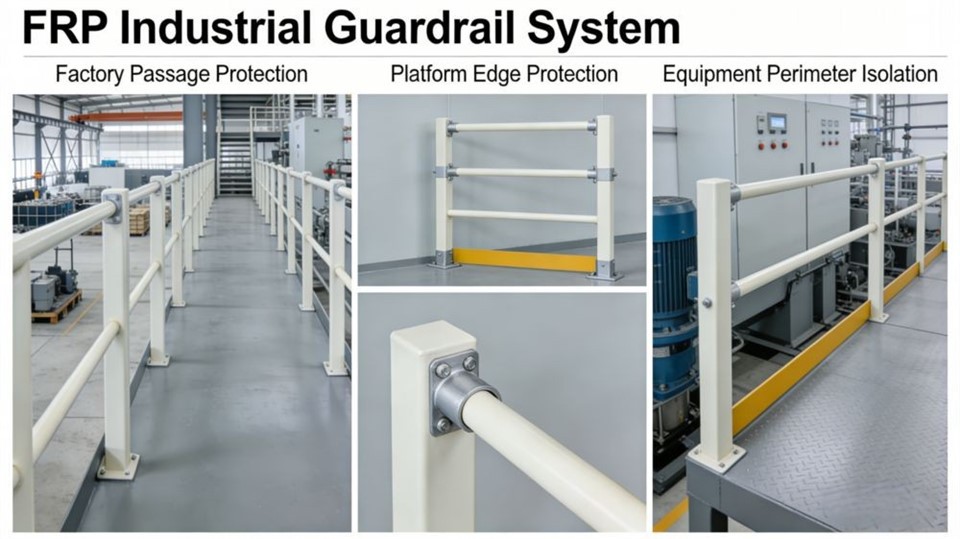
If you're a homeowner, architect, or contractor looking for a high - quality handrail solution for a residential project, we invite you to explore our FRP Handrail System. Our Fiberglass Guardrail and Industrial Guardrail System also offer similar advantages and can be customized to fit your specific needs. Contact us to discuss your project requirements and explore how our FRP Handrail Systems can enhance the safety and beauty of your residential building.
References
- "Fiber - Reinforced Polymer (FRP) Composites in Construction", by A. Nanni.
- "Building Codes and Standards for Handrails", various local building code publications.