As a supplier of FRP ladder rail profiles, I've often been asked about the acoustic performance of these products. In this blog, I'll delve into the science behind the acoustic characteristics of FRP ladder rail profiles, exploring their sound - absorption, transmission, and how they compare to other materials.
Understanding FRP Ladder Rail Profiles
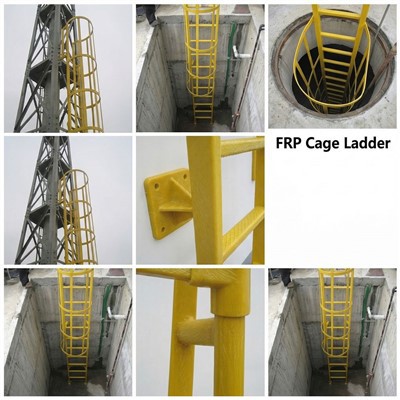
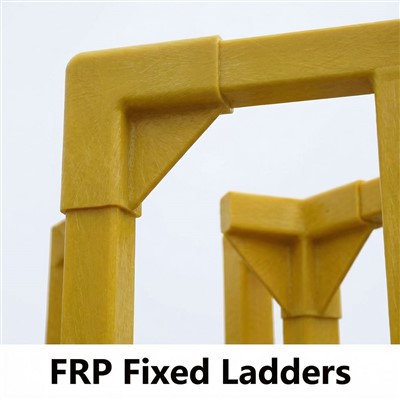
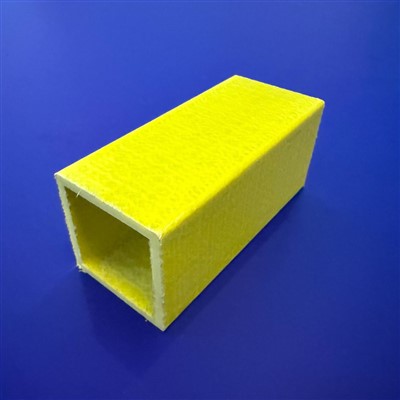
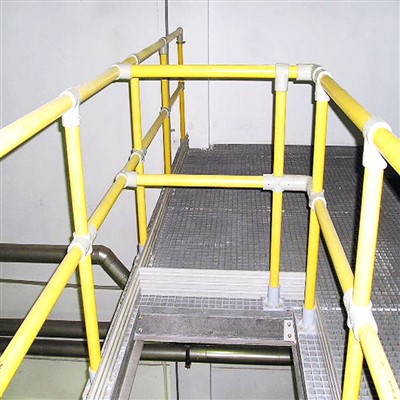
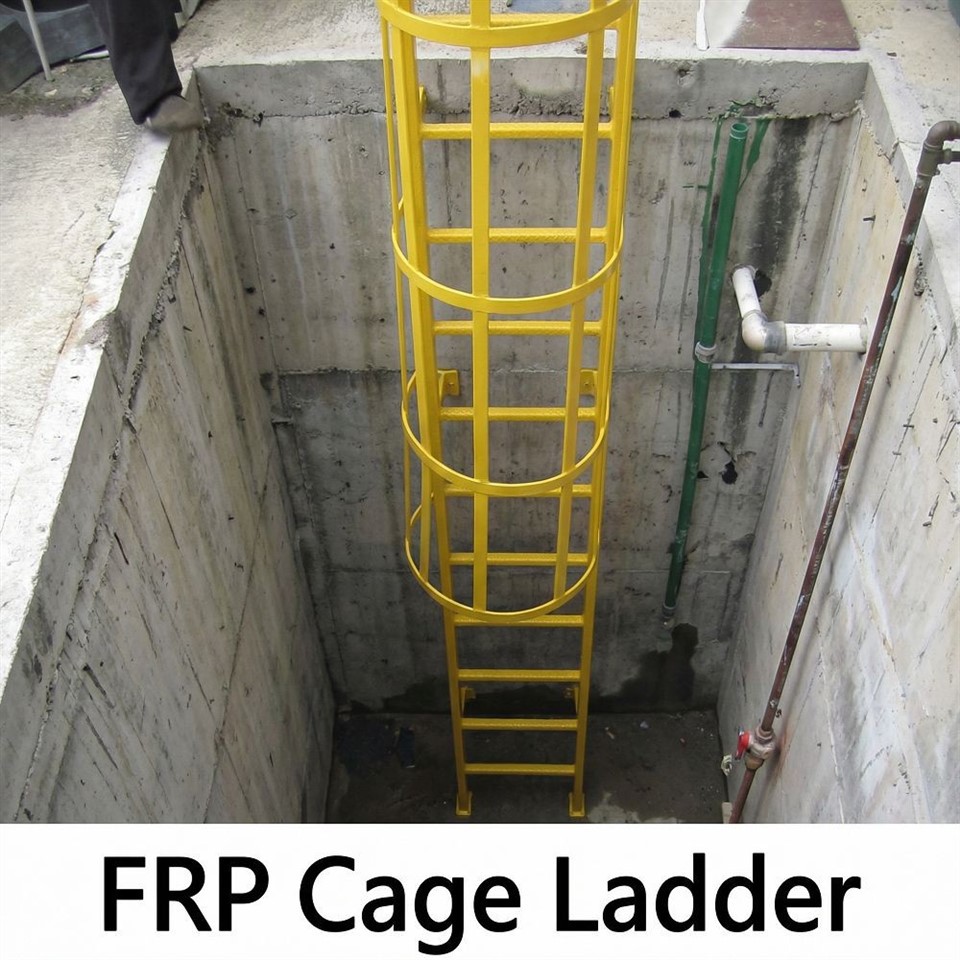
FRP, or Fiberglass Reinforced Plastic, is a composite material made of a polymer matrix reinforced with fibers, typically glass fibers. FRP ladder rail profiles are used in various applications, including FRP Cage Ladder, Fiberglass Straight Ladder, and FRP Fixed Ladders. These profiles offer numerous advantages such as high strength - to - weight ratio, corrosion resistance, and low maintenance.
Acoustic Properties of FRP
Sound Absorption
Sound absorption is a measure of how well a material can absorb sound energy. FRP ladder rail profiles have some inherent sound - absorbing properties. The glass fibers within the FRP composite can act as a medium to dissipate sound energy. When sound waves hit the surface of the FRP, the fibers vibrate, converting the sound energy into heat energy.
The amount of sound absorption depends on several factors. The density of the FRP plays a crucial role. A higher - density FRP will generally have better sound - absorbing capabilities as there are more fibers and resin molecules to interact with the sound waves. The thickness of the profile also matters. Thicker profiles can provide more material for the sound waves to penetrate and be absorbed.
In comparison to traditional materials like steel or aluminum, FRP can offer better sound absorption. Steel and aluminum are highly reflective materials, meaning they bounce sound waves off their surfaces rather than absorbing them. This can lead to a lot of noise reverberation in an environment where these materials are used. FRP, on the other hand, can reduce this reverberation, creating a quieter space.
Sound Transmission
Sound transmission refers to the ability of a material to allow sound to pass through it. FRP ladder rail profiles have relatively low sound - transmission characteristics. The composite structure of FRP acts as a barrier to sound waves. The combination of the polymer matrix and glass fibers creates a complex path for the sound waves, which reduces their ability to pass through the material.

This low sound - transmission property is beneficial in applications where noise isolation is required. For example, in industrial settings where machinery generates a lot of noise, using FRP ladder rail profiles can help prevent the spread of that noise to other areas. It can also be useful in buildings where privacy is a concern, such as in offices or residential areas.
Factors Affecting Acoustic Performance
Manufacturing Process
The manufacturing process of FRP ladder rail profiles can significantly impact their acoustic performance. For instance, the way the glass fibers are oriented within the polymer matrix can affect how sound waves interact with the material. If the fibers are randomly oriented, the sound waves will encounter a more complex path, leading to better sound absorption and lower sound transmission.
The quality of the resin used in the FRP also matters. A high - quality resin with good damping properties can enhance the acoustic performance of the profile. The resin can help to dampen the vibrations caused by the sound waves, further reducing the amount of sound that is transmitted or reflected.
Environmental Conditions
Environmental conditions can also influence the acoustic performance of FRP ladder rail profiles. Temperature and humidity can affect the physical properties of the FRP. For example, at high temperatures, the polymer matrix may become softer, which can change the way the material interacts with sound waves. High humidity can also cause the FRP to absorb moisture, which can alter its density and mechanical properties, and in turn, its acoustic performance.
Applications and Acoustic Benefits
Industrial Applications
In industrial settings, FRP ladder rail profiles are often used in areas where there is a lot of machinery noise. The low sound - transmission and sound - absorption properties of FRP can help to create a more comfortable working environment for employees. For example, in a factory where large motors or conveyor belts are operating, using FRP ladders can reduce the noise levels in the surrounding areas. This not only improves the working conditions but can also help to comply with noise regulations.
Building Construction
In building construction, FRP ladder rail profiles can be used in both commercial and residential buildings. In commercial buildings, such as offices or hotels, the acoustic performance of FRP can contribute to a quieter and more peaceful environment. In residential buildings, it can help to reduce the noise from outside sources, such as traffic or neighbors. For example, using FRP fixed ladders in a multi - story building can help to isolate the noise between different floors.
Comparing FRP with Other Materials
Steel
As mentioned earlier, steel is a highly reflective material when it comes to sound. It has poor sound - absorption properties and can easily transmit sound. In contrast, FRP offers better sound - absorption and lower sound - transmission, making it a more suitable choice in applications where noise control is important.
Wood
Wood has some sound - absorbing properties, but it is also subject to decay and moisture damage. FRP, on the other hand, is corrosion - resistant and can maintain its acoustic performance over a longer period. Wood may also require more maintenance to keep its acoustic properties intact, while FRP is relatively low - maintenance.
Conclusion
The acoustic performance of FRP ladder rail profiles is an important aspect to consider in various applications. Their sound - absorption and low sound - transmission properties make them a valuable alternative to traditional materials like steel and wood. Whether in industrial settings or building construction, FRP can help to create a quieter and more comfortable environment.
If you're interested in learning more about our FRP ladder rail profiles or have any questions regarding their acoustic performance, we encourage you to reach out to us for a detailed discussion. We can provide you with samples and technical specifications to help you make an informed decision for your specific needs.
References
- ASTM International. (20XX). Standard test methods for acoustic properties of building materials.
- Composites World. (20XX). Understanding the acoustic properties of FRP composites.
- Industrial Noise Control Handbook. (20XX). Strategies for reducing noise in industrial environments.