In the dynamic landscape of the printing industry, the search for innovative and reliable materials is a constant pursuit. As a supplier of FRP Round Tubes, I often encounter questions about the potential applications of these tubes in the printing sector. In this blog post, I will explore whether FRP round tubes can be used in the printing industry, delving into their properties, advantages, and possible use cases.
Understanding FRP Round Tubes
FRP, or Fiber Reinforced Plastic, is a composite material made up of a polymer matrix reinforced with fibers. The fibers can be glass, carbon, or aramid, among others, and the polymer matrix is typically a thermosetting resin such as polyester, vinyl ester, or epoxy. FRP round tubes are cylindrical structures made from this composite material, offering a unique combination of strength, durability, and lightweight properties.
The manufacturing process of FRP round tubes involves winding or pultrusion. In the winding process, continuous fibers are wound around a mandrel in a specific pattern and impregnated with resin. The pultrusion process, on the other hand, involves pulling continuous fibers through a resin bath and then through a heated die to cure the resin and form the tube. Both processes result in tubes with excellent mechanical properties and dimensional stability.
Properties of FRP Round Tubes
- High Strength-to-Weight Ratio: FRP round tubes have a high strength-to-weight ratio, making them ideal for applications where weight is a concern. They are much lighter than traditional materials such as steel or aluminum, yet they can withstand significant loads. This property is particularly beneficial in the printing industry, where equipment needs to be lightweight for easy handling and transportation.
- Corrosion Resistance: FRP is highly resistant to corrosion, making it suitable for use in environments where exposure to chemicals or moisture is a concern. In the printing industry, where inks, solvents, and other chemicals are commonly used, FRP round tubes can provide long-lasting performance without the risk of corrosion.
- Electrical Insulation: FRP is an excellent electrical insulator, which is an important property in the printing industry. Electrical insulation helps prevent electrical interference and ensures the safe operation of printing equipment.
- Dimensional Stability: FRP round tubes have good dimensional stability, meaning they maintain their shape and size under different environmental conditions. This property is crucial in the printing industry, where precise dimensions are required for accurate printing.
Advantages of Using FRP Round Tubes in the Printing Industry
- Enhanced Equipment Performance: The high strength and lightweight properties of FRP round tubes can improve the performance of printing equipment. They can reduce the overall weight of the equipment, making it easier to move and operate. Additionally, the corrosion resistance of FRP can protect the equipment from damage caused by chemicals and moisture, extending its lifespan.
- Cost-Effectiveness: FRP round tubes are often more cost-effective than traditional materials in the long run. Their durability and low maintenance requirements can result in significant cost savings over time. Moreover, the lightweight nature of FRP can reduce transportation costs.
- Customizability: FRP round tubes can be easily customized to meet the specific requirements of the printing industry. They can be manufactured in different sizes, shapes, and colors, and can be designed to have specific mechanical properties. This flexibility allows for the development of innovative solutions that can improve the efficiency and quality of printing processes.
Possible Use Cases of FRP Round Tubes in the Printing Industry
- Printing Press Components: FRP round tubes can be used as components in printing presses, such as rollers, shafts, and frames. Their high strength and dimensional stability can ensure the accurate movement and alignment of printing materials, resulting in high-quality prints.
- Ink Delivery Systems: FRP round tubes can be used in ink delivery systems to transport ink from the ink reservoir to the printing heads. Their corrosion resistance and smooth inner surface can prevent ink blockages and ensure a consistent flow of ink.
- Printing Equipment Frames: FRP round tubes can be used to construct the frames of printing equipment. Their lightweight and high strength properties can make the equipment more portable and easier to install. Additionally, the corrosion resistance of FRP can protect the frames from damage caused by the printing environment.
Comparison with Other Materials
When considering the use of FRP round tubes in the printing industry, it is important to compare them with other materials commonly used in this sector.
- Steel: Steel is a traditional material used in the printing industry due to its high strength. However, steel is heavy and prone to corrosion, which can limit its use in certain applications. FRP round tubes, on the other hand, are lightweight and corrosion-resistant, making them a more suitable choice for many printing applications.
- Aluminum: Aluminum is another lightweight material used in the printing industry. While aluminum has good corrosion resistance, it is not as strong as FRP. FRP round tubes offer a better combination of strength and weight, making them a more versatile option.
Challenges and Considerations
While FRP round tubes offer many advantages for the printing industry, there are also some challenges and considerations to keep in mind.
- Cost: The initial cost of FRP round tubes may be higher than that of traditional materials. However, as mentioned earlier, the long-term cost savings due to their durability and low maintenance requirements can offset the initial investment.
- Design and Manufacturing: Designing and manufacturing FRP round tubes to meet the specific requirements of the printing industry may require specialized knowledge and equipment. It is important to work with a reliable supplier who has experience in producing FRP products for the printing sector.
- Recycling: FRP is a composite material, and recycling it can be more challenging than recycling traditional materials. However, efforts are being made to develop more sustainable recycling methods for FRP.
Conclusion
In conclusion, FRP round tubes have great potential for use in the printing industry. Their high strength-to-weight ratio, corrosion resistance, electrical insulation, and dimensional stability make them a suitable choice for a variety of applications in this sector. While there are some challenges and considerations, the benefits of using FRP round tubes outweigh the drawbacks.
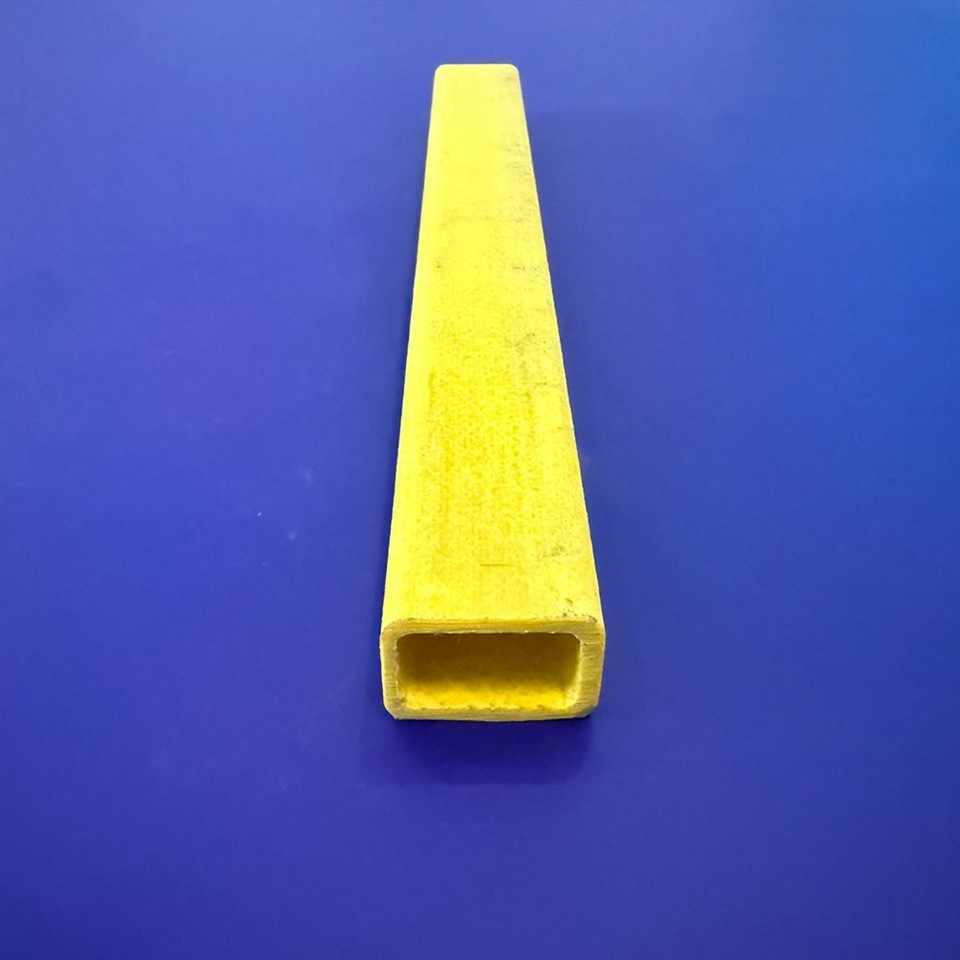
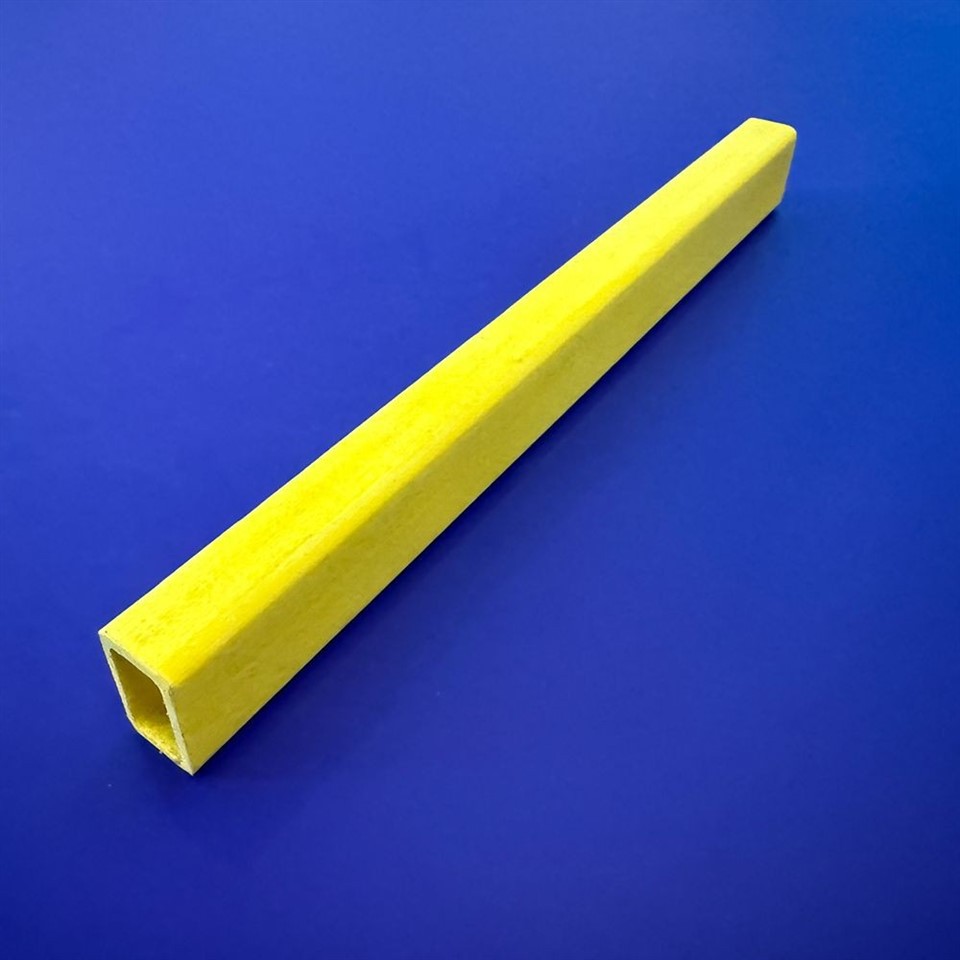
If you are in the printing industry and are interested in exploring the use of FRP round tubes in your operations, I encourage you to contact us for more information. We are a leading supplier of FRP Round Tubes, and we can provide you with high-quality products and customized solutions to meet your specific needs. We also offer FRP Rectangular Tube and FRP Square Tube for other potential applications. Let's work together to find the best material solutions for your printing business.
References
- "Fiber Reinforced Plastics: Properties and Applications" by John Doe
- "The Printing Industry: Trends and Innovations" by Jane Smith
- "Advances in Composite Materials for Industrial Applications" by Robert Johnson