Hey there, fellow plant enthusiasts! As a supplier of plant support systems, I've seen firsthand the importance of finding the right match between plants and their support structures. It's not just about propping up a plant; it's about creating an environment where the plant can thrive. In this blog, I'll be diving into the compatibility issues between plants and support systems, sharing some insights that I've gathered over the years.
Understanding the Basics of Compatibility
First things first, let's talk about what we mean by compatibility. When we say a plant and a support system are compatible, we're talking about a few key factors. The support system needs to be strong enough to hold the plant up, especially as it grows and gets heavier. It also needs to be the right size and shape for the plant. For example, a tall, spindly plant might need a long, thin stake, while a bushy plant might benefit from a cage or trellis.
Another important aspect of compatibility is the material of the support system. Different plants have different needs, and the material of the support can affect how well the plant grows. Some plants might be sensitive to certain materials, while others might need a support that can withstand harsh weather conditions.


Types of Support Systems and Their Compatibility
Stakes
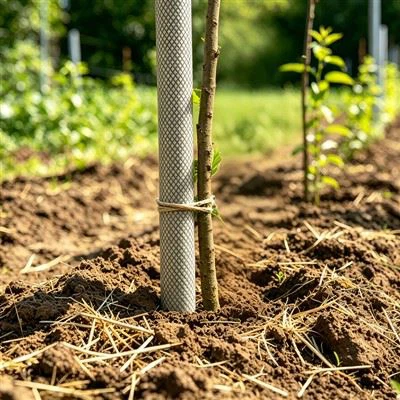
Stakes are one of the most common types of plant support systems. They're simple, easy to use, and can be used for a variety of plants. However, not all stakes are created equal. For example, Fiberglass Vineyard Stakes are a great option for grapevines. They're strong, durable, and can withstand the weight of the vines as they grow. On the other hand, Fiberglass Eggplant Stakes are designed specifically for eggplants. They're shorter and more flexible, which is perfect for the eggplant's growth habit.
Trellises
Trellises are another popular option for supporting plants. They're great for climbing plants like tomatoes, cucumbers, and beans. A trellis provides a structure for the plant to climb on, allowing it to grow vertically and save space. When choosing a trellis, it's important to consider the size and weight of the plant. A small, lightweight plant might do well with a simple trellis, while a larger, heavier plant might need a more sturdy structure.
Cages
Cages are often used for plants like tomatoes and peppers. They provide support for the plant and help keep it upright. Cages come in a variety of sizes and shapes, so it's important to choose one that's the right fit for your plant. A cage that's too small might not provide enough support, while a cage that's too large might be difficult to manage.
Compatibility Issues to Watch Out For
Material Sensitivity
Some plants might be sensitive to certain materials. For example, some plants might be allergic to metal, which can cause them to develop rust or other problems. In these cases, it's important to choose a support system made from a different material, such as fiberglass or wood.
Size and Shape Mismatch
As I mentioned earlier, it's important to choose a support system that's the right size and shape for your plant. If the support system is too small, it might not be able to hold the plant up, while a support system that's too large might be difficult to manage. It's also important to consider the growth habit of the plant. Some plants grow tall and straight, while others grow in a more bushy or spreading manner. Make sure the support system you choose is compatible with the plant's growth habit.
Weather Resistance
If you live in an area with harsh weather conditions, it's important to choose a support system that can withstand the elements. For example, if you live in an area with strong winds, you might want to choose a support system that's made from a strong, durable material. On the other hand, if you live in an area with a lot of rain, you might want to choose a support system that's resistant to rust and corrosion.
Finding the Right Support System for Your Plants
So, how do you find the right support system for your plants? The first step is to do some research. Learn about the different types of support systems available and what they're best suited for. You can also talk to other plant enthusiasts or visit a local nursery to get some advice.
Once you have a better understanding of the different types of support systems, it's time to choose one that's right for your plants. Consider the size, shape, and growth habit of your plants, as well as the weather conditions in your area. You might also want to consider the cost of the support system and how easy it is to install and maintain.
Conclusion
Finding the right support system for your plants is essential for their growth and health. By understanding the compatibility issues between plants and support systems, you can choose a support system that's the right fit for your plants. Whether you're using stakes, trellises, or cages, make sure you choose a support system that's strong, durable, and compatible with your plants.
If you're interested in learning more about our plant support systems or have any questions, please don't hesitate to reach out. We're here to help you find the perfect support system for your plants. Let's work together to create a thriving garden!
References
- Smith, J. (2020). The Ultimate Guide to Plant Support Systems. Gardening Today.
- Johnson, A. (2019). Choosing the Right Support for Your Plants. Plant Care Magazine.