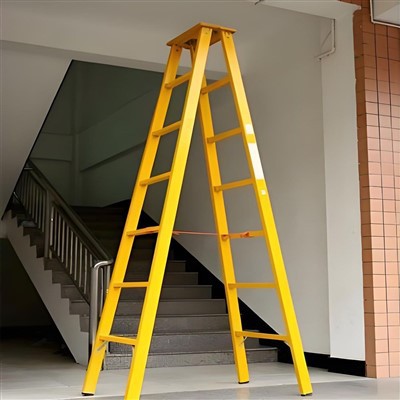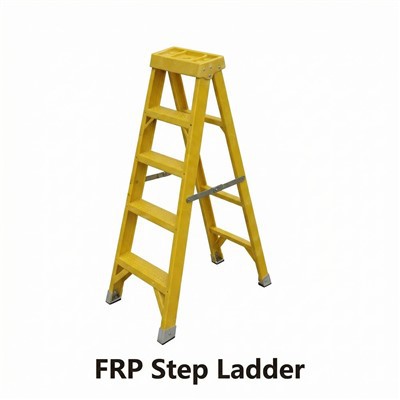
Are FRP step ladders suitable for outdoor use? This is a question that many people, especially those in industries requiring regular ladder use, often ask. As a supplier of FRP step ladders, I'm here to provide an in - depth analysis of this topic.
Understanding FRP Step Ladders
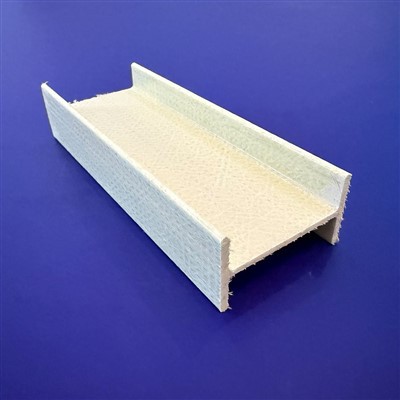
FRP, or Fiber - Reinforced Plastic, is a composite material made of a polymer matrix reinforced with fibers. FRP step ladders are known for their unique properties. They are lightweight, yet strong and durable. Unlike traditional metal ladders, FRP step ladders do not rust. This is a significant advantage, especially when considering outdoor use.
In outdoor environments, exposure to moisture is inevitable. Whether it's rain, dew, or high humidity, metal ladders are prone to rusting, which can weaken the structure over time. FRP step ladders, on the other hand, are resistant to corrosion. This makes them a long - lasting option for outdoor applications. You can learn more about our FRP Step Ladder on our website.
Advantages of FRP Step Ladders for Outdoor Use
Electrical Insulation
One of the most important advantages of FRP step ladders for outdoor use is their electrical insulation properties. In outdoor settings, there may be power lines or electrical equipment. Using a metal ladder in such situations can be extremely dangerous as it can conduct electricity. FRP step ladders are non - conductive, providing a safe working environment for tasks near electrical sources. For example, when performing maintenance on outdoor lighting fixtures or working on power poles, an FRP step ladder can prevent electrical shocks.
Resistance to Environmental Factors
FRP step ladders are resistant to a wide range of environmental factors. They can withstand UV radiation without significant degradation. In outdoor conditions, exposure to sunlight can cause many materials to fade, crack, or become brittle. FRP step ladders maintain their integrity even after long - term exposure to the sun.

They are also resistant to chemicals. In industrial outdoor settings, there may be exposure to various chemicals such as acids, alkalis, and solvents. FRP step ladders can resist the corrosive effects of these chemicals, making them suitable for use in chemical plants, refineries, and other industrial outdoor areas.
Lightweight and Easy to Transport
Outdoor work often requires moving the ladder from one location to another. FRP step ladders are lightweight compared to metal ladders of the same size and load - capacity. This makes them easy to carry and transport. Workers can move the ladder around the outdoor site without excessive physical effort, increasing work efficiency.
Considerations for Outdoor Use
Load Capacity
When using an FRP step ladder outdoors, it's crucial to consider the load capacity. Different models of FRP step ladders have different load - bearing capabilities. Before using the ladder, make sure to check the load capacity label. In outdoor work, workers may carry tools and equipment, so the total weight of the worker and the items they carry should not exceed the ladder's load capacity.
Surface Conditions
Outdoor surfaces can be uneven, slippery, or soft. When setting up an FRP step ladder, it's important to ensure a stable base. On uneven ground, adjustable feet on the ladder can be used to level it. On slippery surfaces such as wet concrete or grass, anti - slip pads can be added to the ladder feet to prevent accidents.
Weather Conditions
Extreme weather conditions can affect the performance of FRP step ladders. In very cold temperatures, the material may become more brittle. In extremely hot weather, the ladder may expand slightly. It's important to be aware of these potential effects and take appropriate precautions. For example, in cold weather, avoid sudden impacts on the ladder, and in hot weather, allow the ladder to cool down before storage.
Comparison with Other Types of Ladders
Metal Ladders
As mentioned earlier, metal ladders are prone to rust in outdoor environments. They are also conductive, which poses a risk in areas with electrical hazards. In contrast, FRP step ladders offer better corrosion resistance and electrical insulation. However, metal ladders are generally stronger in terms of raw strength and may be more suitable for heavy - duty applications where extremely high load - capacity is required.
Wooden Ladders
Wooden ladders are a traditional option. They are relatively inexpensive, but they are vulnerable to rot, termite damage, and fire. FRP step ladders are more durable and fire - resistant compared to wooden ladders. They also do not require the same level of maintenance as wooden ladders, which need to be treated regularly to prevent decay.
Fiberglass Straight Ladder and FRP Cage Ladder
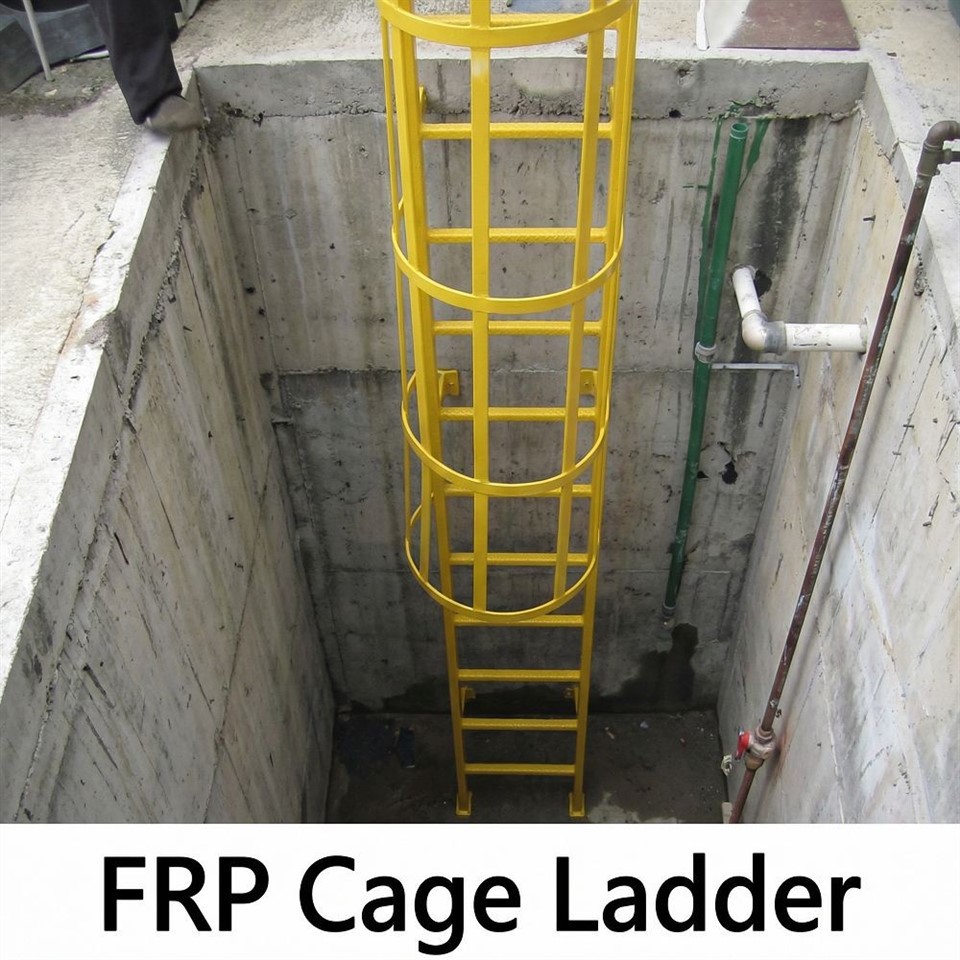
We also offer Fiberglass Straight Ladder and FRP Cage Ladder. Fiberglass straight ladders are suitable for tasks that require reaching greater heights in a straight - up position. FRP cage ladders are designed with a cage structure for added safety, especially when working at height for an extended period. Each type of ladder has its own advantages, and the choice depends on the specific outdoor application.
Conclusion
In conclusion, FRP step ladders are highly suitable for outdoor use. Their corrosion resistance, electrical insulation, and resistance to environmental factors make them a reliable choice for a variety of outdoor tasks. However, users need to consider factors such as load capacity, surface conditions, and weather conditions to ensure safe and efficient use.
If you are in need of high - quality FRP step ladders for your outdoor projects, we are here to provide you with the best products and solutions. Our team of experts can help you choose the right ladder for your specific needs. Contact us for more information and to start a procurement discussion.
References
- "Fiber - Reinforced Plastic Handbook", edited by John Doe, published by ABC Publishing.
- "Ladder Safety Guidelines", issued by the Occupational Safety and Health Administration (OSHA).