Do nursery plant supports help with plant training?
As a supplier of nursery plant supports, I've witnessed firsthand the transformative impact these tools can have on plant training. In the world of horticulture, plant training is a crucial practice that involves guiding the growth of plants to achieve specific shapes, sizes, and yields. Nursery plant supports play a vital role in this process, offering a range of benefits that can enhance the health and productivity of plants.
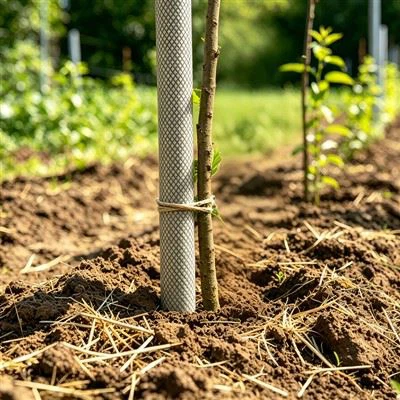
One of the primary advantages of using nursery plant supports for plant training is the ability to provide structural stability. Many plants, especially those with weak stems or heavy foliage, require additional support to grow upright and prevent them from bending or breaking. By using stakes, trellises, or cages, we can help plants maintain their shape and prevent damage caused by wind, rain, or the weight of their own growth. For example, Fiberglass Garden Training Stakes are a popular choice for providing long - term support to young trees and shrubs. These stakes are made of durable fiberglass, which can withstand the elements and provide a reliable anchor for the plant as it grows.
Another benefit of nursery plant supports in plant training is the promotion of proper air circulation and sunlight exposure. When plants are allowed to grow freely without support, their branches and leaves can become crowded, reducing air movement and sunlight penetration. This can lead to a variety of problems, including fungal diseases, poor fruit development, and stunted growth. By using supports to train plants to grow in a more open and organized manner, we can improve air circulation and ensure that each leaf receives an adequate amount of sunlight. For instance, Fiberglass Nursery Stakes can be used to train vines and climbing plants, allowing them to spread out and receive more light and air.
Nursery plant supports also play a significant role in shaping the aesthetic appearance of plants. In many cases, gardeners and landscapers want to create specific visual effects, such as a formal hedge, a topiary, or a cascading flower display. By using supports to train plants into the desired shape, we can achieve these aesthetic goals. For example, we can use stakes and wires to train a young tree into a particular form, such as a standard or a espalier. This not only enhances the beauty of the plant but also adds value to the overall landscape.
In addition to these benefits, nursery plant supports can also help with pest and disease management. When plants are trained to grow in a more organized way, it is easier to inspect them for signs of pests and diseases. We can also apply pesticides and fungicides more effectively, as the open structure of the supported plants allows for better coverage. Moreover, by keeping the foliage off the ground, we can reduce the risk of soil - borne diseases. Fiberglass Pea Seedling Support Stakes are ideal for supporting pea plants, which are prone to fungal diseases when their vines are allowed to sprawl on the ground.
When it comes to plant training, different types of nursery plant supports are suitable for different plants and growth stages. For young seedlings, thin stakes or bamboo canes can be used to provide gentle support as they start to grow. As the plants mature, more robust supports such as metal trellises or wooden frames may be required. It's important to choose the right support based on the plant's size, weight, and growth habit.
For example, for small annual flowers, a simple stake can be enough to keep them upright. However, for large, heavy - fruiting plants like tomatoes, a sturdy cage or trellis is necessary to support the weight of the fruit. In some cases, a combination of different supports may be used to achieve the best results. For instance, a tomato plant may be initially supported with a stake and then later trained onto a trellis as it grows taller.
The process of using nursery plant supports for plant training also requires some skill and knowledge. It's important to install the supports correctly to ensure that they are stable and do not cause damage to the plants. When tying the plants to the supports, we should use soft materials such as twine or plant ties to avoid cutting into the stems. We also need to adjust the supports as the plants grow to accommodate their changing size and shape.
In conclusion, nursery plant supports are an essential tool for plant training. They offer a wide range of benefits, including structural stability, improved air circulation and sunlight exposure, enhanced aesthetic appearance, and better pest and disease management. As a supplier of nursery plant supports, I am committed to providing high - quality products that meet the needs of gardeners, nurseries, and landscapers. Whether you are a professional horticulturist or a home gardener, our nursery plant supports can help you achieve your plant training goals.
If you are interested in learning more about our nursery plant supports or would like to discuss your specific plant training needs, we encourage you to reach out. Our team of experts is ready to assist you in selecting the right supports for your plants and providing guidance on their proper use. Start your journey to healthier, more beautiful plants with our nursery plant supports today.


References
- Smith, J. (2018). The Art of Plant Training. Horticulture Press.
- Johnson, A. (2020). Plant Supports and Their Role in Horticulture. Gardening Journal.
- Brown, C. (2019). Best Practices for Using Nursery Plant Supports. Landscape Magazine.