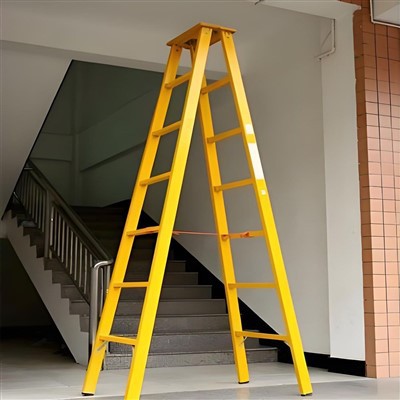
As a supplier of FRP (Fiber Reinforced Plastic) Rectangular Tubes, I've witnessed firsthand the growing demand for these versatile products across various industries. One of the most critical aspects that customers often inquire about is how FRP Rectangular Tubes perform in high - temperature environments. In this blog, I'll delve into the science behind their performance, discuss real - world applications, and share insights on their limitations and advantages under high - temperature conditions.
Understanding FRP Rectangular Tubes
FRP Rectangular Tubes are composite materials made by combining a polymer matrix, typically polyester, vinyl ester, or epoxy resin, with reinforcing fibers such as glass, carbon, or aramid. The combination of these materials results in a product that offers high strength - to - weight ratio, corrosion resistance, and excellent electrical insulation properties.
Performance in High - Temperature Environments
Thermal Resistance
The thermal resistance of FRP Rectangular Tubes depends largely on the type of resin used in their manufacturing. For instance, epoxy - based FRP tubes generally have better high - temperature performance compared to polyester - based ones. Epoxy resins can withstand temperatures up to 150 - 200°C (302 - 392°F) without significant loss of mechanical properties. Vinyl ester resins also offer good thermal resistance, with a working temperature range of around 100 - 150°C (212 - 302°F).
When exposed to high temperatures, FRP Rectangular Tubes may experience a phenomenon called thermal expansion. However, the coefficient of thermal expansion of FRP is relatively low compared to metals. This means that the tubes are less likely to warp or deform under temperature changes, which is a significant advantage in applications where dimensional stability is crucial.
Mechanical Properties at High Temperatures
As the temperature rises, the mechanical properties of FRP Rectangular Tubes gradually change. The strength and stiffness of the tubes tend to decrease with increasing temperature. For example, at elevated temperatures, the tensile strength and modulus of elasticity of the tubes may drop by 20 - 50% compared to their room - temperature values.
However, it's important to note that the rate of decline in mechanical properties depends on the duration of exposure and the maximum temperature reached. Short - term exposure to high temperatures may cause only a temporary reduction in performance, while long - term exposure at extreme temperatures can lead to permanent damage.
Chemical Stability
In high - temperature environments, FRP Rectangular Tubes also need to maintain their chemical stability. The polymer matrix in FRP can be susceptible to degradation when exposed to high temperatures, especially in the presence of oxygen and certain chemicals. However, proper resin selection and surface treatment can enhance the chemical stability of the tubes. For example, using fire - retardant resins can improve the tubes' resistance to high - temperature degradation and reduce the risk of fire.
Real - World Applications in High - Temperature Environments
Industrial Applications
In industrial settings, FRP Rectangular Tubes are widely used in applications where high - temperature resistance is required. For example, they can be used in the construction of chemical processing plants, where they are exposed to high - temperature chemicals and harsh environments. The tubes can be used as structural supports, piping systems, and ventilation ducts.
Another common industrial application is in the power generation industry. FRP Rectangular Tubes can be used in the construction of cooling towers, where they are exposed to high - temperature water and steam. Their corrosion resistance and high - temperature performance make them an ideal choice for these applications.
Automotive and Aerospace Applications
In the automotive and aerospace industries, FRP Rectangular Tubes are used in components that are exposed to high temperatures. For example, they can be used in engine compartments, where they need to withstand the high - temperature exhaust gases. The lightweight nature of FRP also makes it an attractive option for these industries, as it can help reduce the overall weight of the vehicle or aircraft.
Limitations and Considerations
While FRP Rectangular Tubes offer many advantages in high - temperature environments, there are also some limitations that need to be considered. One of the main limitations is the relatively low continuous service temperature compared to some metals. For applications that require sustained exposure to extremely high temperatures (above 200°C or 392°F), other materials such as ceramics or high - temperature alloys may be more suitable.
Another consideration is the potential for degradation over time. Even with proper resin selection and surface treatment, FRP Rectangular Tubes may experience some degree of degradation when exposed to high temperatures for extended periods. Regular inspection and maintenance are necessary to ensure the long - term performance of the tubes.
Comparison with Other FRP Profiles
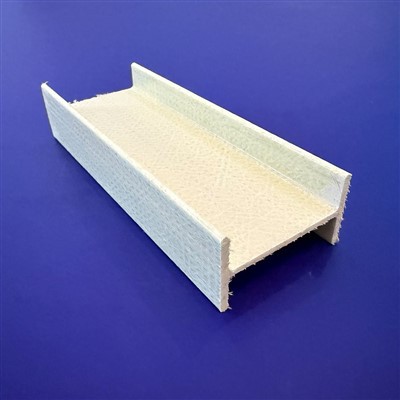
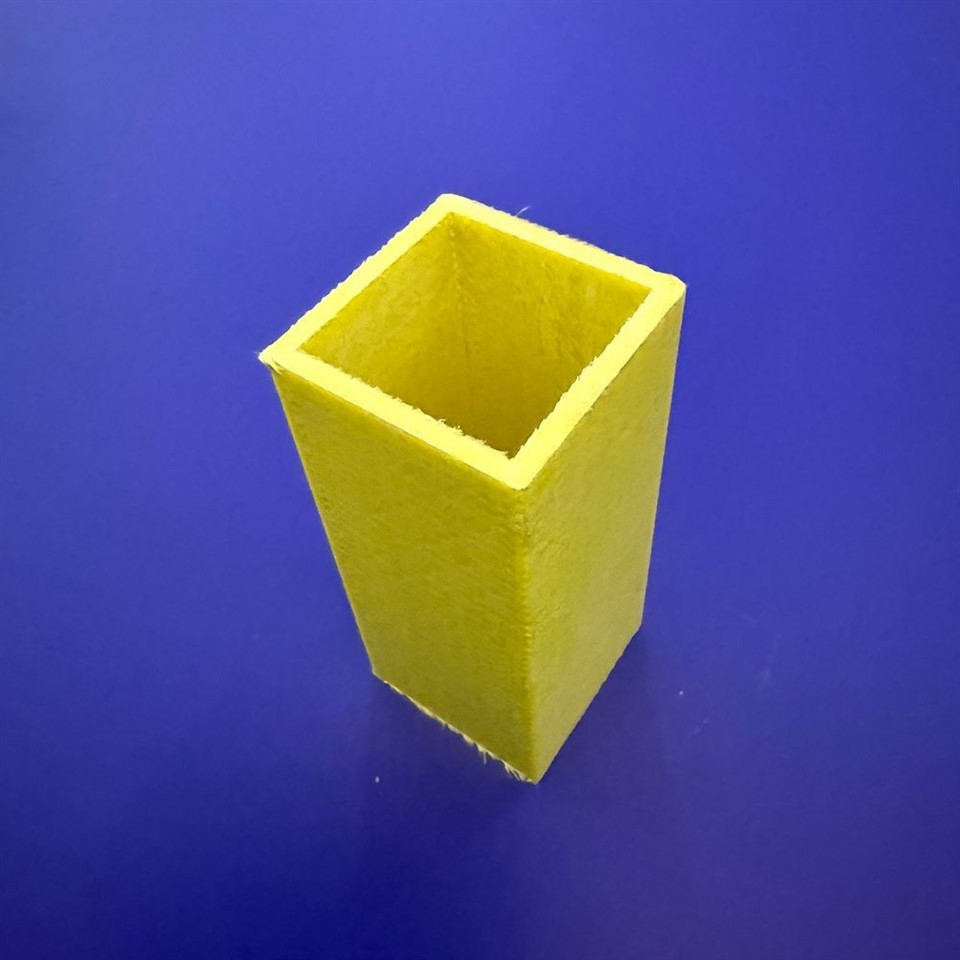
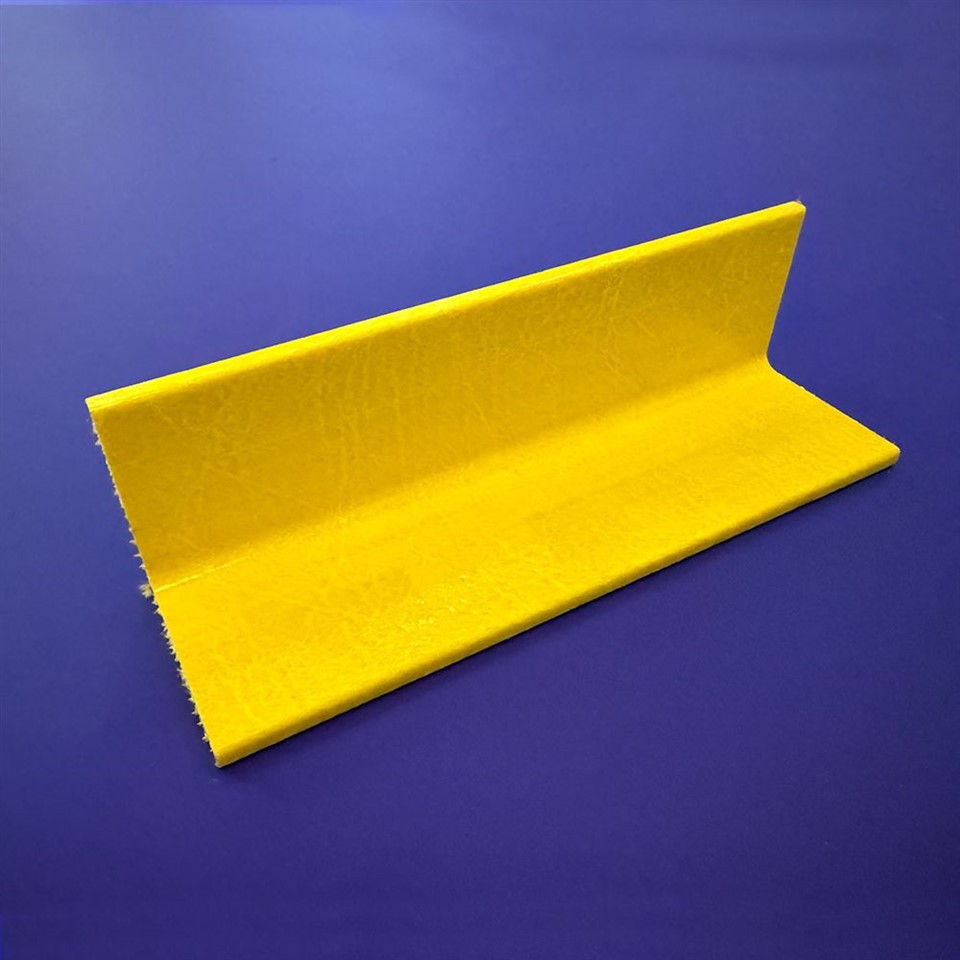
In addition to FRP Rectangular Tubes, there are other FRP profiles available in the market, such as FRP T Profile, FRP Square Tube, and FRP Angle. Each of these profiles has its own unique characteristics and performance in high - temperature environments.
FRP T Profiles are often used in applications where additional strength and support are required. They can be used in structural applications such as bridges and buildings. In high - temperature environments, their performance is similar to that of FRP Rectangular Tubes, but their shape may offer some additional advantages in terms of load - bearing capacity.
FRP Square Tubes are commonly used in applications where a more uniform cross - section is required. They are often used in the construction of frames and enclosures. Like FRP Rectangular Tubes, they offer good high - temperature performance, but their square shape may provide better resistance to torsional forces.
FRP Angles are used in applications where corner reinforcement is needed. They can be used in the construction of frames and structures. In high - temperature environments, their performance is also comparable to that of FRP Rectangular Tubes, but their angle shape may offer some unique advantages in terms of structural stability.
Conclusion
In conclusion, FRP Rectangular Tubes offer a viable solution for applications in high - temperature environments. Their thermal resistance, mechanical properties, and chemical stability make them suitable for a wide range of industries. However, it's important to carefully consider the specific requirements of each application and select the appropriate resin and fiber combination to ensure optimal performance.
If you're interested in learning more about FRP Rectangular Tubes or other FRP profiles, or if you have a specific application in mind, I encourage you to contact us for a detailed discussion. Our team of experts can provide you with the information and support you need to make the right choice for your project.
References
- "Handbook of FRP Composites in Civil Engineering" by S. K. Das and B. B. Saha
- "Composite Materials: Science and Engineering" by R. F. Gibson
- "High - Temperature Polymers and Composites" by A. K. Bhowmick and H. L. Stephens