As a supplier of FRP round tubes, I've had a front - row seat to the various applications and performance of these amazing products. One question that comes up quite often is how FRP round tubes perform in low - temperature environments. Let's dig into this topic and find out.
Understanding FRP Round Tubes
First off, let's quickly go over what FRP round tubes are. FRP stands for Fiber - Reinforced Plastic. These tubes are made by combining a polymer matrix with fibers, usually glass fibers. The result is a material that's strong, lightweight, and corrosion - resistant. It's used in a wide range of industries, from construction to marine, and even in some high - tech applications.
Low - Temperature Effects on Materials
Before we talk about FRP round tubes specifically, it's important to understand how low temperatures can affect materials in general. Cold temperatures can make materials more brittle. Metals, for example, can become prone to cracking when it gets really cold. Plastics can also become stiffer and less flexible, which might lead to failures under stress.
FRP Round Tubes in Low - Temperature Environments
Mechanical Properties
When it comes to FRP round tubes, low temperatures do have an impact on their mechanical properties. The good news is that FRP generally maintains its strength better than many other materials in cold conditions. The glass fibers in the FRP provide a certain level of reinforcement that helps the tube resist deformation.
However, as the temperature drops, the polymer matrix in the FRP can become stiffer. This means that the tube might lose a bit of its flexibility. But it's not all bad. The increased stiffness can actually be an advantage in some applications where you need a more rigid structure. For example, in a cold - weather construction project where the tubes are used as support structures, the extra stiffness can help them bear more load.
Thermal Expansion
Another important aspect is thermal expansion. In low - temperature environments, most materials contract. FRP round tubes have a relatively low coefficient of thermal expansion compared to metals. This means that they don't shrink as much as metals when the temperature drops.
This property is a huge plus. In structures where different materials are used together, the low thermal expansion of FRP round tubes helps prevent issues like differential contraction, which can lead to stress and damage in the structure. For instance, in a building where FRP tubes are used alongside metal components, the low thermal expansion of the FRP tubes reduces the risk of joint failures due to uneven contraction.
Impact Resistance
Impact resistance is a key factor, especially in cold environments where there might be ice or other hard objects that could hit the tubes. FRP round tubes generally have good impact resistance. The combination of the glass fibers and the polymer matrix allows the tube to absorb and distribute the energy from an impact.
But again, the low temperature can have an effect. As the polymer matrix becomes stiffer, the tube might be a bit more susceptible to cracking if it's hit with a high - energy impact. However, proper design and installation can help mitigate this risk. For example, adding protective coatings or using thicker - walled tubes can improve the impact resistance in low - temperature settings.
Applications in Low - Temperature Environments
Construction
In cold - climate construction, FRP round tubes are used in a variety of ways. They can be used as structural supports in buildings, bridges, and other infrastructure projects. The tubes' ability to maintain their strength and low thermal expansion make them a great choice. For example, in a building in a cold region, FRP tubes can be used as columns or beams, providing a lightweight yet strong alternative to traditional steel or concrete.
Marine
The marine industry also benefits from FRP round tubes in low - temperature environments. In cold waters, the tubes can be used for boat hulls, masts, and other components. Their corrosion resistance is a major advantage, as saltwater in cold regions can be particularly harsh on materials. The low thermal expansion also helps prevent issues like cracking due to temperature changes in the water.
Oil and Gas
In the oil and gas industry, where operations often take place in cold regions, FRP round tubes are used for pipelines, supports, and other equipment. The tubes' ability to resist corrosion and maintain their mechanical properties in low temperatures makes them suitable for these demanding applications.
Comparing with Other FRP Profiles
While we're on the topic, it's worth comparing FRP round tubes with other FRP profiles. For example, FRP U Channel has a different shape and is often used for different purposes. The U - shape provides a different kind of structural support and can be more suitable for applications where you need to attach other components.


FRP Flat Bar is another profile. It's flat and can be used for various purposes, such as bracing or as a base for other structures. In low - temperature environments, the flat bar might have different performance characteristics compared to the round tube. For example, the flat surface might be more prone to ice buildup, which could affect its performance.
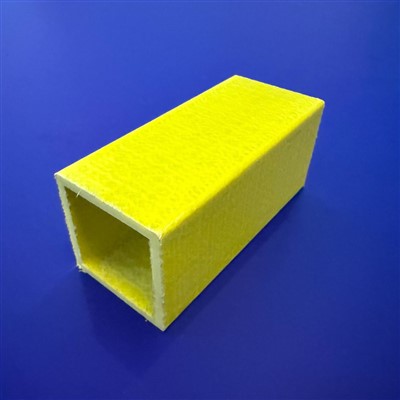
FRP Rectangular Tube also has its own unique properties. The rectangular shape provides different load - bearing capabilities and can be used in applications where a more rectangular cross - section is required.
Tips for Using FRP Round Tubes in Low - Temperature Environments
If you're planning to use FRP round tubes in a low - temperature environment, here are some tips:
- Proper Design: Make sure the tubes are designed to handle the specific loads and conditions in the cold environment. Consider factors like the expected temperature range, the type of load, and the potential for impact.
- Installation: Pay attention to the installation process. Make sure the tubes are properly secured and that any joints are well - sealed. This can help prevent issues like water ingress, which can cause problems in cold temperatures.
- Maintenance: Regular maintenance is important. Check the tubes for any signs of damage, such as cracks or delamination. If you notice any issues, address them promptly to prevent further damage.
Conclusion
In conclusion, FRP round tubes perform quite well in low - temperature environments. They maintain their strength, have low thermal expansion, and offer good impact resistance. However, like any material, they do have some limitations, especially when it comes to the increased stiffness of the polymer matrix at low temperatures.
If you're considering using FRP round tubes for your project in a cold - climate area, I'd be more than happy to discuss your specific needs. Whether it's for construction, marine, or oil and gas applications, we can work together to find the best solution. Contact us to start a conversation about your FRP round tube requirements and let's see how we can meet your needs.
References
- "Fiber - Reinforced Plastics: Materials, Manufacturing, and Design" by Samuel J. H. Rizkalla and Basant K. Mishra.
- "Composite Materials: Design and Applications" by Alan K. Kelly and Colin Zweben.