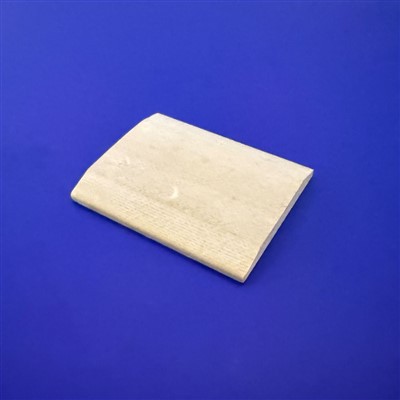
As a seasoned supplier of marker stakes, I am often asked about the different types available in the market. Marker stakes serve a variety of purposes, from marking boundaries in construction sites to guiding plant growth in agricultural fields. In this blog post, I will delve into the various types of marker stakes, their unique features, and their applications.
Fiberglass Reflective Stakes
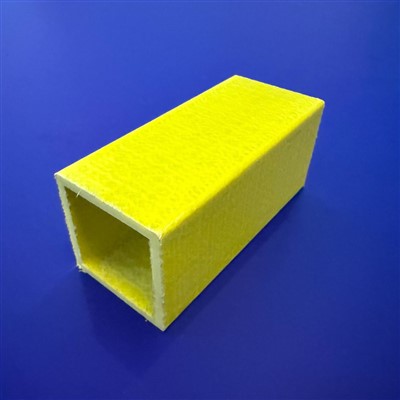
Fiberglass reflective stakes are a popular choice for many applications, especially in situations where visibility is crucial. These stakes are made from high - strength fiberglass, which provides excellent durability and resistance to environmental factors such as corrosion, rot, and UV rays. The reflective material on the stakes makes them highly visible, even in low - light conditions.
One of the key advantages of fiberglass reflective stakes is their flexibility. Unlike traditional wooden or metal stakes, fiberglass stakes can bend without breaking, making them ideal for use in areas where the ground may shift or where there is a risk of impact. For example, in construction sites, these stakes can be used to mark the edges of excavation areas or to delineate the path of underground utilities. They are also commonly used on roadsides to mark hazards or construction zones.
You can find a wide range of fiberglass reflective stakes on our website at Fiberglass Reflective Stakes. These stakes come in different lengths and diameters to suit various needs.
Fiberglass Marker Stakes
Fiberglass marker stakes are similar to fiberglass reflective stakes but without the reflective coating. They are also made from fiberglass, which gives them the same durability and flexibility as their reflective counterparts. These stakes are often used in agricultural applications, such as marking rows of crops, indicating the location of irrigation systems, or demarcating the boundaries of a field.
The smooth surface of fiberglass marker stakes makes them easy to clean and maintain. They are also lightweight, which makes them convenient to handle and transport. In addition, fiberglass is a non - conductive material, which is an important safety feature, especially in areas where there is a risk of electrical contact.
If you are interested in fiberglass marker stakes, you can explore our selection at Fiberglass Marker Stakes. We offer a variety of options to meet your specific requirements.
Wooden Marker Stakes
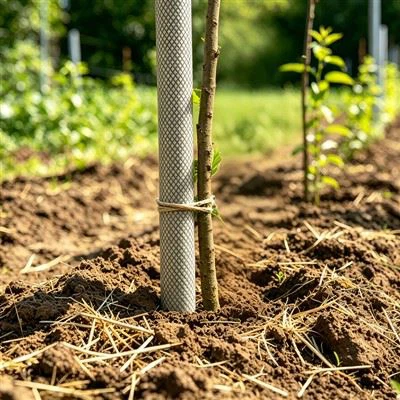
Wooden marker stakes have been used for centuries and are still a popular choice in many applications. They are relatively inexpensive and easy to obtain. Wooden stakes are commonly used in gardening and landscaping to mark the location of plants, trees, or flower beds. They can also be used in small - scale construction projects to mark boundaries or the location of structures.
However, wooden stakes have some limitations. They are prone to rot and decay, especially when exposed to moisture for long periods. They may also be damaged by insects or animals. To increase their lifespan, wooden stakes can be treated with preservatives, but this adds to the cost.
Metal Marker Stakes
Metal marker stakes, such as steel or aluminum, are known for their strength and durability. They are often used in heavy - duty applications, such as construction sites, where they need to withstand high - impact forces. Metal stakes can also be used in marine environments, as they are resistant to corrosion.
One of the drawbacks of metal stakes is their weight. They can be difficult to handle and transport, especially in large quantities. In addition, metal stakes may rust over time, which can affect their appearance and functionality.
Plastic Marker Stakes
Plastic marker stakes are lightweight, inexpensive, and easy to use. They are available in a variety of colors, which makes them easy to distinguish. Plastic stakes are commonly used in gardening, agriculture, and event management. For example, they can be used to mark the location of tents or stages at outdoor events.
However, plastic stakes may not be as durable as fiberglass, wood, or metal stakes. They can be easily damaged by UV rays, extreme temperatures, or physical impact.
Choosing the Right Marker Stakes
When choosing marker stakes, several factors need to be considered. First, you need to determine the purpose of the stakes. If visibility is a key concern, fiberglass reflective stakes may be the best option. For agricultural applications, fiberglass or wooden stakes may be more suitable.
The environment in which the stakes will be used is also important. If the stakes will be exposed to harsh weather conditions or corrosive substances, fiberglass or metal stakes may be a better choice. In addition, the size and weight of the stakes should be considered, especially if they need to be transported or installed in a specific location.
Conclusion
In conclusion, there are indeed different types of marker stakes, each with its own unique features and applications. As a supplier of marker stakes, we understand the importance of providing high - quality products that meet the diverse needs of our customers. Whether you are looking for fiberglass reflective stakes for construction sites, fiberglass marker stakes for agricultural use, or any other type of marker stakes, we have the right solution for you.
If you are interested in purchasing marker stakes or have any questions about our products, please feel free to contact us. We are more than happy to assist you in finding the perfect marker stakes for your specific requirements.


References
- General knowledge about marker stakes in construction, agriculture, and related industries.
- Product specifications and details from our internal product database.