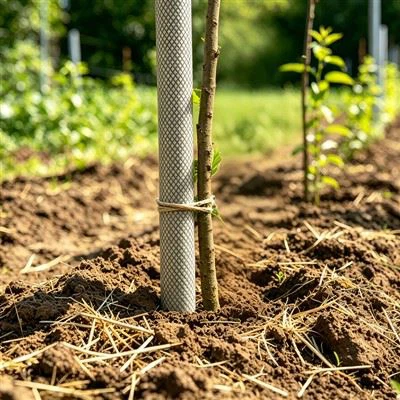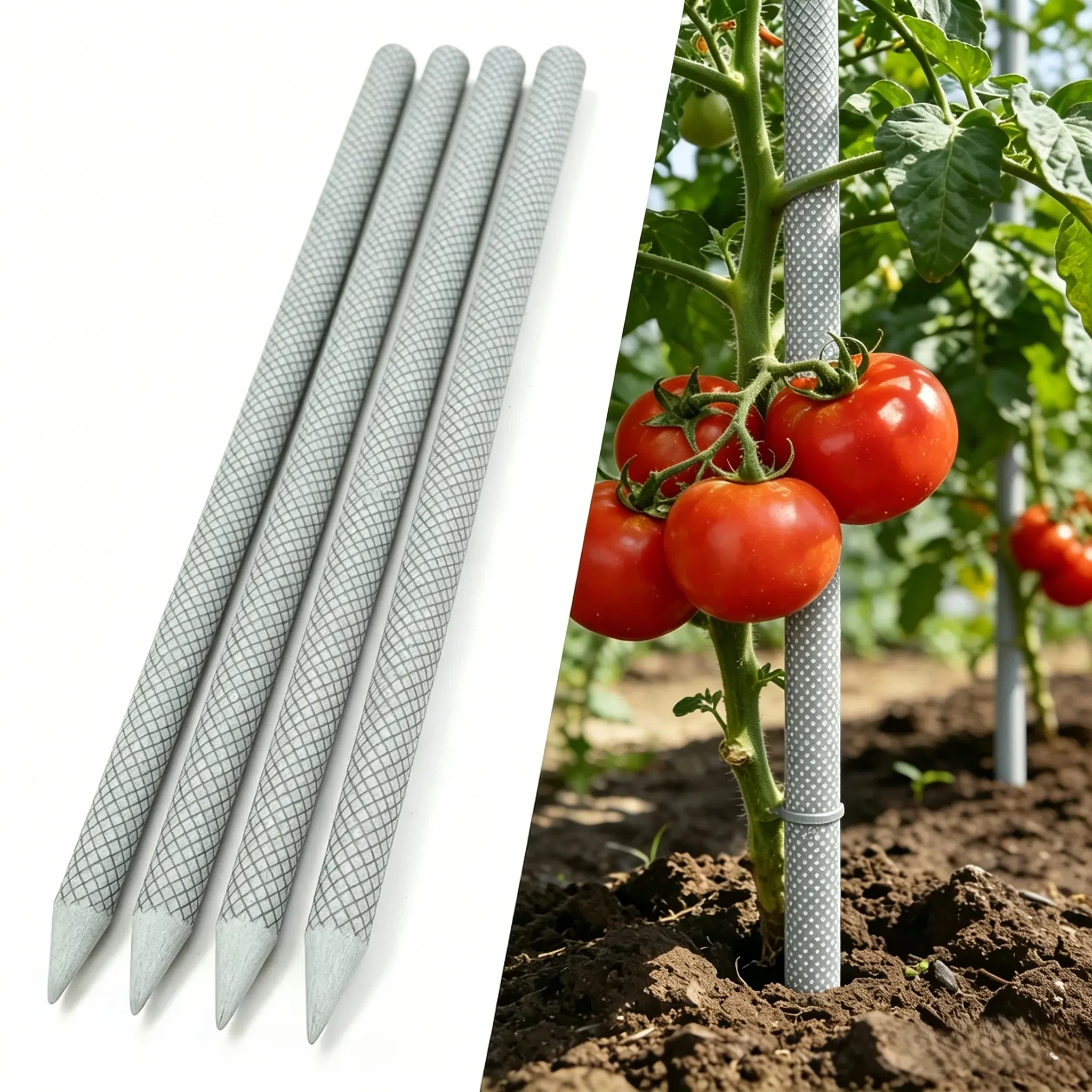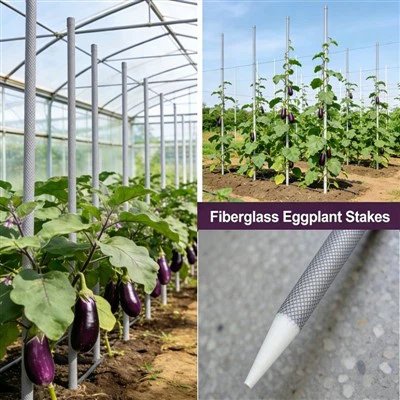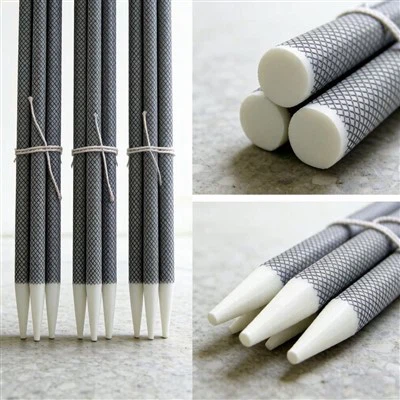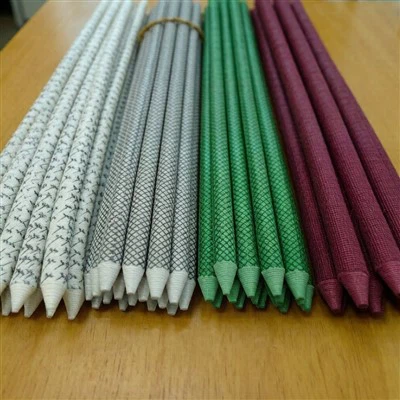
Fiberglass profiles are a composite material made of glass fiber reinforced plastic (FRP). Due to their lightweight, high strength, and corrosion resistance, they are widely used in construction, transportation, and environmental protection. The core advantages of standard fiberglass profiles lie in their lightweight yet high strength, corrosion resistance, good insulation, maintenance-free operation, and long lifespan, making them an ideal alternative to metal materials in modern engineering.
Compared to traditional steel or aluminum profiles, standard fiberglass profiles outperform in several key performance dimensions, making them particularly suitable for special environments requiring high humidity, high salinity, strong corrosion, or electrical insulation.
Lightweight and High-Strength: With a density of approximately 1.7–2.0 g/cm³, only 1/4–1/5 that of steel, it boasts a tensile strength of 350–450 MPa and a flexural strength of 388 MPa. Its specific strength (strength-to-weight ratio) is comparable to or even exceeds that of steel.
Excellent Corrosion Resistance: It exhibits strong resistance to acids, alkalis, salts, seawater, humid environments, and most organic substances. Suitable for corrosive environments such as coastal areas, chemical plants, and municipal facilities, its service life can reach 20–50 years, far exceeding that of ordinary steel.
Good Dimensional Stability: Its coefficient of linear expansion is low (7.3 × 10⁻⁶/℃), lower than steel and aluminum alloys, and 1/15 that of plastics. Temperature changes have little effect on its shape.
Outstanding Energy-Saving and Thermal Insulation Performance: Its thermal conductivity is as low as 0.3–0.4 W/(m·K), only 1/100–1/1000 that of metals; the heat transfer coefficient K-value can be as low as 1.3. W/(m²·K), meeting the highest national building energy efficiency standard (Level 10).