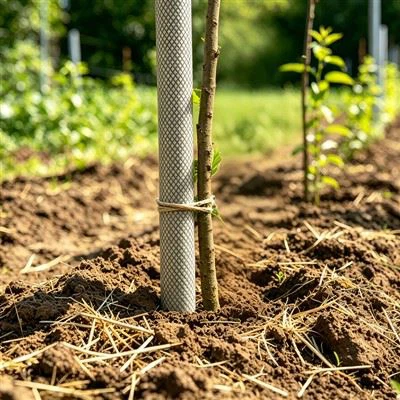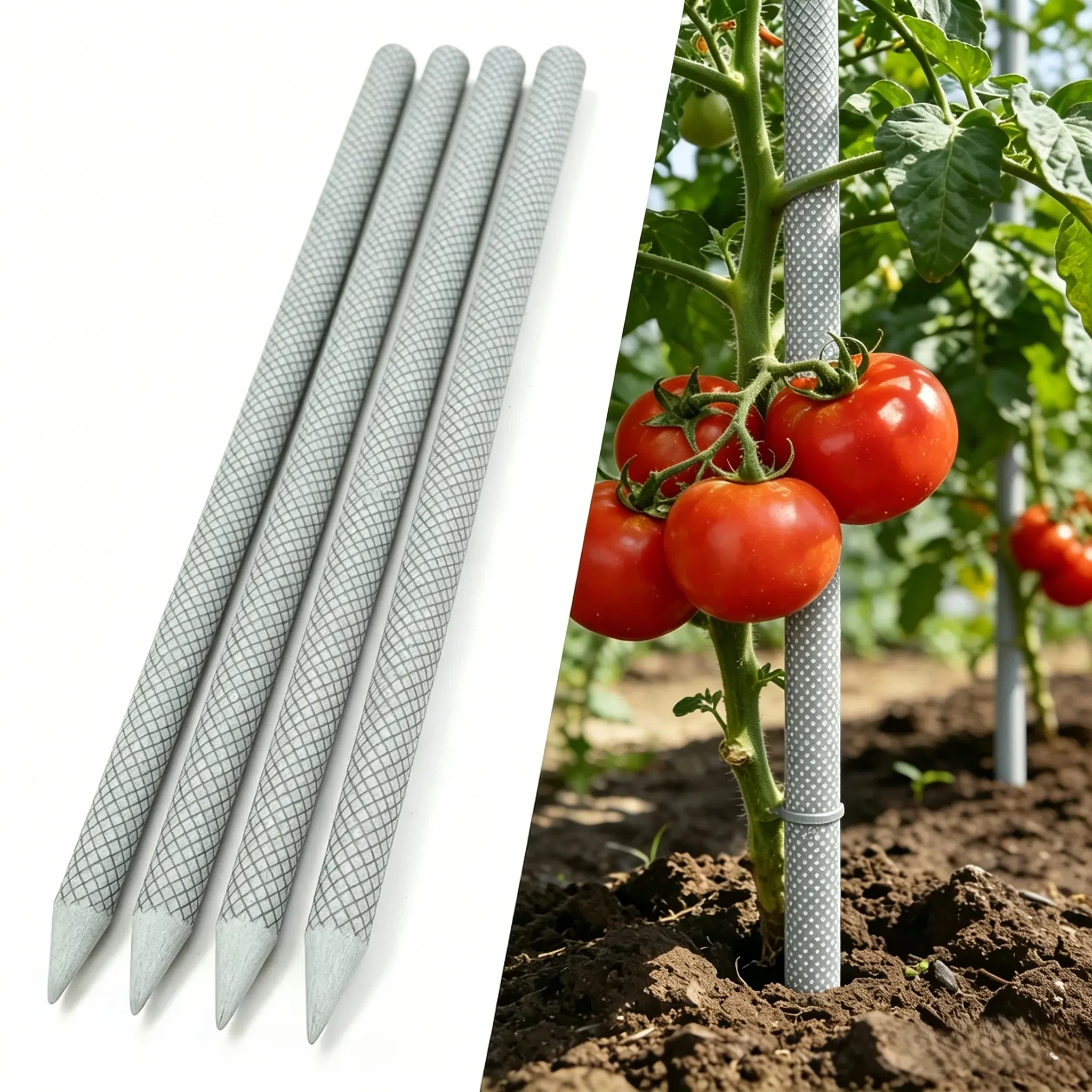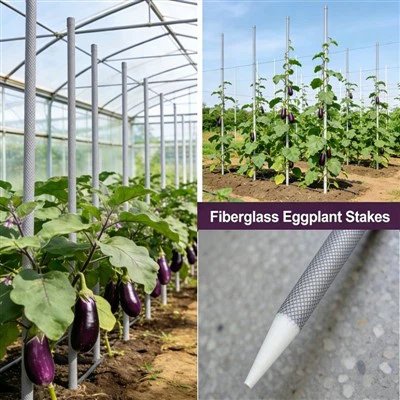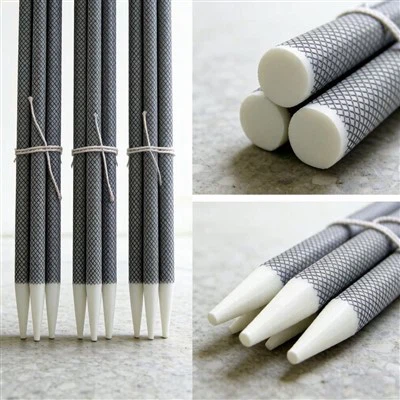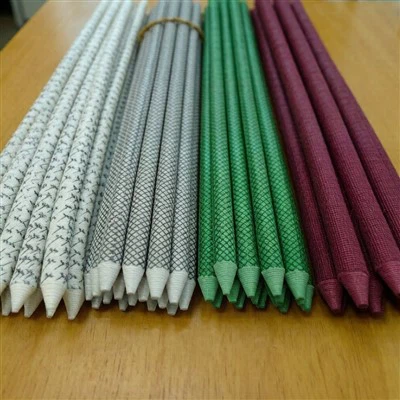
Fiberglass profiles are a new type of composite material manufactured through a pultrusion process, using glass fiber and its products as reinforcement and synthetic resin as the matrix material. Combining the advantages of glass fiber and synthetic resin, it possesses many unique characteristics and has been widely used in numerous fields.
1. Lightweight and High Strength
The density of fiberglass profiles is generally between 1.5 and 2.0 g/cm³, approximately 1/4 to 1/5 that of steel and 2/3 that of aluminum. However, its specific strength (strength to density ratio) exceeds that of traditional metal materials. In applications requiring high strength but with strict weight control, fiberglass profiles can significantly reduce overall weight while meeting structural strength requirements. For example, in the aerospace field, reducing material weight can lower energy consumption and improve aircraft performance and efficiency.
2. Excellent Corrosion Resistance
Fiberglass profiles possess excellent corrosion resistance, resisting the erosion of various chemical media such as acids, alkalis, and salts. This gives them a significant advantage in harsh environments such as chemical plants, petroleum plants, and wastewater treatment plants.
3. Excellent Insulation Performance
It is an excellent insulating material with high dielectric properties and low dielectric loss. This characteristic makes FRP profiles widely used in the electrical and electronic fields. For example, in power systems, FRP poles and insulating supports effectively prevent electric shock accidents, ensuring the safety and stability of power supply.
4. Strong Weather Resistance
FRP profiles have good weather resistance and can be used for a long time under different climatic conditions without significant performance changes. They can withstand the effects of ultraviolet radiation, high temperature, low temperature, and other environmental factors, and are not prone to aging or deformation. In outdoor buildings, bridges, and other projects, FRP profiles can ensure the long-term stability and safety of the structure.
5. High Design Flexibility
By adjusting the type, content, and arrangement of glass fibers, and selecting different synthetic resins, FRP profiles with different properties and shapes can be designed according to specific application requirements. This design flexibility allows FRP profiles to meet various complex engineering needs. For example, in the field of architectural decoration, profiles of various shapes and colors can be manufactured to achieve personalized design effects.
6. Low Maintenance Costs
Due to the advantages of fiberglass profiles such as corrosion resistance and strong weather resistance, their service life is long and maintenance costs are relatively low. Compared with traditional metal materials, they do not require frequent anti-corrosion treatments and maintenance, thus reducing operating costs.