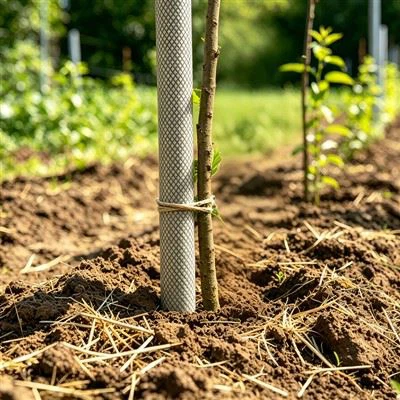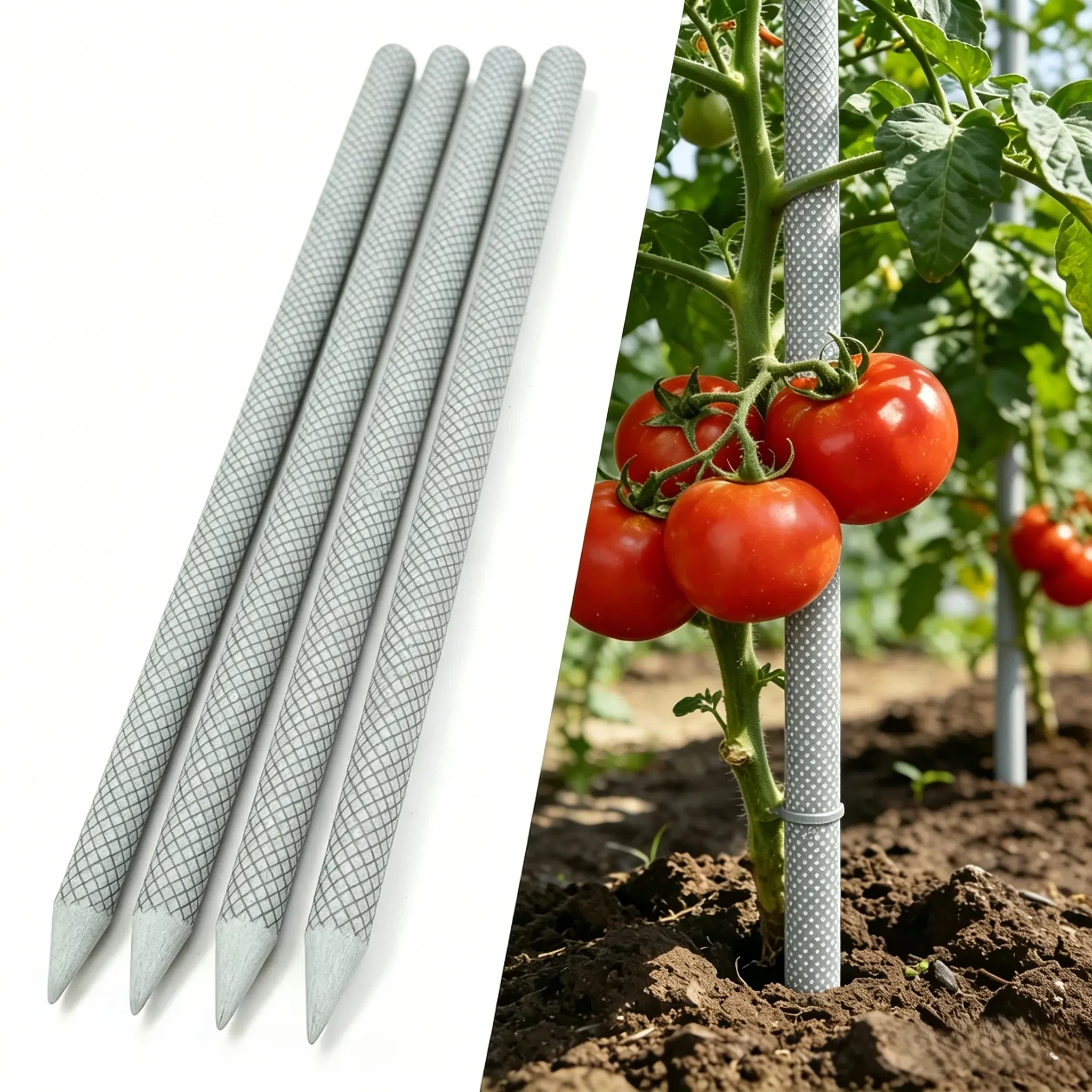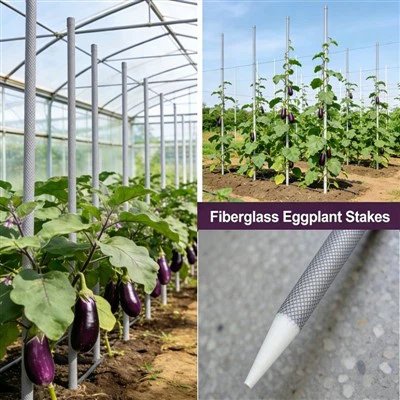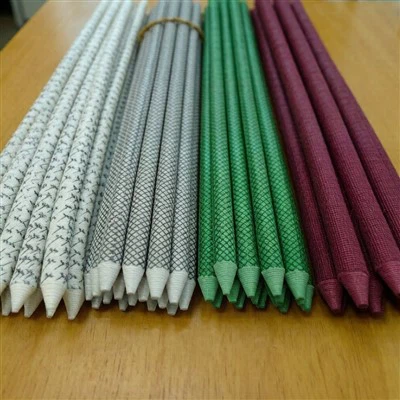
According to the "Technical Regulations for Supporting Urban Landscape Trees," the main types of seedling supports include triangular supports, four-corner supports, soft supports, row supports, and combinations of soft and four-corner supports. The selection of support method requires comprehensive consideration of site conditions, tree species, size, and actual site conditions. In coastal areas, support should be provided promptly after planting.
Triangular supports consist of three evenly spaced supports around the base of the trunk, diagonally bracing the trunk from the outside in, forming a regular triangular pyramid. This method is suitable for trees with a diameter at breast height (DBH) of less than 15cm and a height of less than 6m, and should be used in areas not affected by strong winds. One support pole should be positioned facing the prevailing wind direction.
Four-corner supports consist of four evenly spaced supports around the base of the trunk, diagonally bracing the trunk from the outside in, forming a regular square pyramid. This method is suitable for tall trees, and the support poles should be positioned at the right angles.
Soft support involves securing several steel wires (three or more) to the trunk, pulling them evenly towards the ground from all directions, and fixing them in place. This method is suitable for taller trees. Support poles (or anchor points) should be placed at right angles.
Row support uses horizontal bars to connect and fix adjacent trees planted in a row, forming a grid-like support system. This method is suitable for trees or species prone to lodging when planted in large areas.
For larger trees or specially selected trees, a combination of soft support and corner supports can be used.
Regarding support height, the support height for evergreen trees should be no less than 2/3 of the tree's trunk height, and for deciduous trees, no less than 1/2 of the tree's trunk height. The support angle should ideally be 30°–45° between the support pole and the tree trunk.