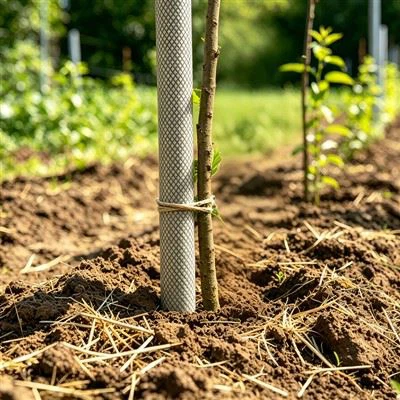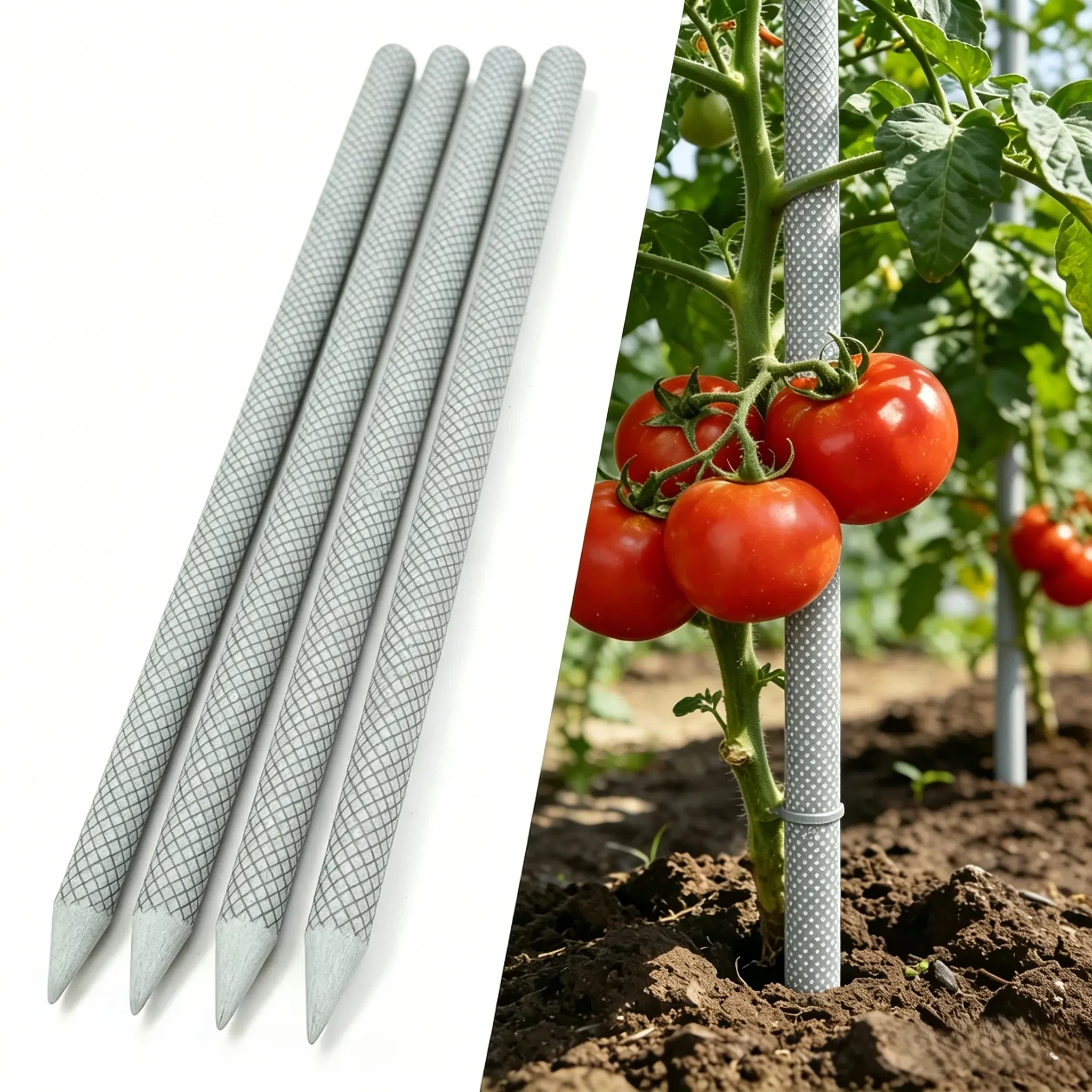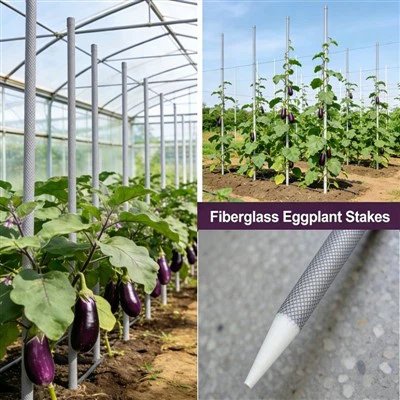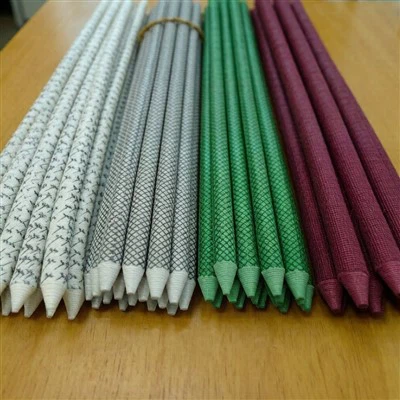
Supports must be installed within 24 hours of planting, and the initial reinforcement should be carried out before watering. A comprehensive structural integrity inspection is required after the typhoon season. Furthermore, a comprehensive inspection and reinforcement of the seedling supports is necessary before and after typhoons or heavy rains. Regular inspections should be conducted on installed but not yet removed tree supports, and any damaged or broken supports should be repaired promptly.
The specific removal time needs to be determined comprehensively based on factors such as tree species, size, growth, local climate conditions, and soil conditions. The timing of removal depends on the root development of the tree species; fast-growing species can be removed after one year, while coniferous species are recommended to be retained for 2-3 years. In principle, removal is done one year after the trees have established themselves, but the removal time needs to be adjusted in coastal areas. For areas with rapid growth, strong soil fixation, and few strong winds, removal can be done after one year; for slow-growing areas with large canopies, poor soil fixation, and frequent winds, two years or more may be required.
Seedling support frames are a double-edged sword. Once saplings reach a certain growth stage, if the support frames are not removed for an extended period, they will weaken the root system, hinder nutrient and water transport, cause wounds and diseases due to embedded binding materials in the trunk, and obstruct pedestrian traffic. If the support frames temporarily obstruct public passageways (such as tactile paving for the visually impaired), they should be removed promptly after the trees have stabilized to facilitate public passage.
Before removal and during tree growth, the tree support fixtures should be adjusted according to the tree's growth to prevent them from embedding into the tree bark. When removing the supports, loosen the bolts first, then remove the support rods.