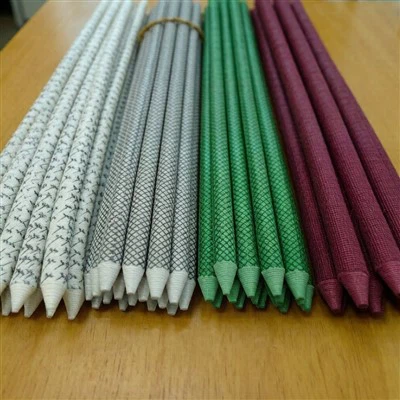
Fiberglass Reinforced Plastic (FRP) profiles have become highly sought-after materials in agriculture and industry, primarily due to their sturdiness, durability, and easy maintenance. They deliver reliable performance for both greenhouse farming and industrial site construction, bringing peace of mind to users. Many people are unclear about their applications and selection criteria. Today, we will explain this in simple terms so that even beginners can easily understand and make the right choice.
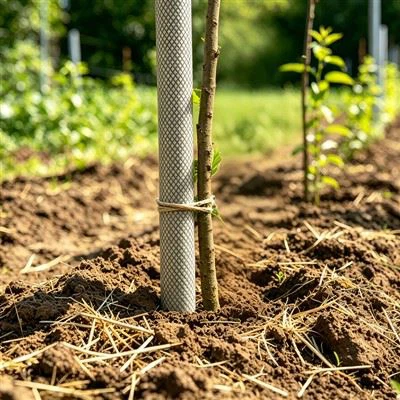
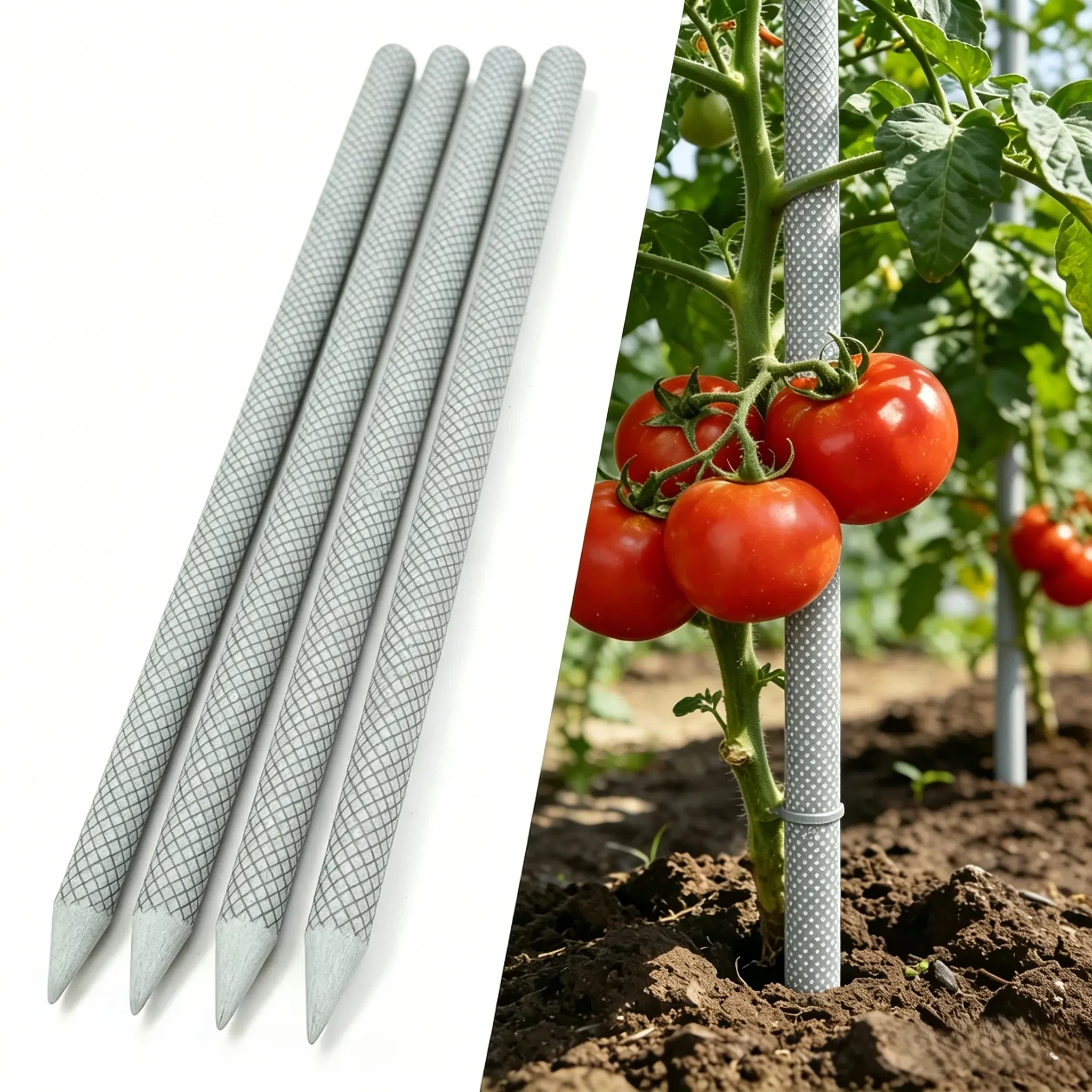
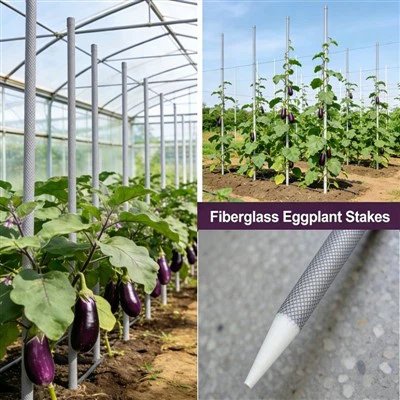
In agriculture, FRP poles are most commonly used as greenhouse support poles. Whether you grow climbing crops like cucumbers and tomatoes, or seedlings such as lettuce and leafy greens, selecting the right FRP pole can help you avoid many pitfalls. For climbing crops, choose thicker poles with sufficient load-bearing capacity to prevent bending under the weight of vines. For seedlings, thinner poles suffice-they are lightweight and space-efficient. The key is to select poles that are moisture-resistant, sun-resistant, and corrosion-resistant. Greenhouses are humid, sunny environments with frequent fertilizer/water application and pesticide spraying, so durable FRP poles will not deteriorate over time. Additionally, their smooth surfaces avoid scratching vines, and pointed ends facilitate easy insertion into soil. These poles can last for several years without issues.
In industry, FRP profiles are even more versatile, especially in corrosive-prone environments like chemical plants, livestock farms, and industrial fences. Metal railings quickly rust and require frequent repairs and replacements, which is costly and labor-intensive. In contrast, FRP profiles are acid and alkali resistant, non-rusting, and perform reliably for extended periods in humid, corrosive conditions with minimal maintenance, significantly reducing long-term costs. They are ideal for equipment supports, industrial guardrails, garden handrails, and any application requiring long-term durability and corrosion resistance.
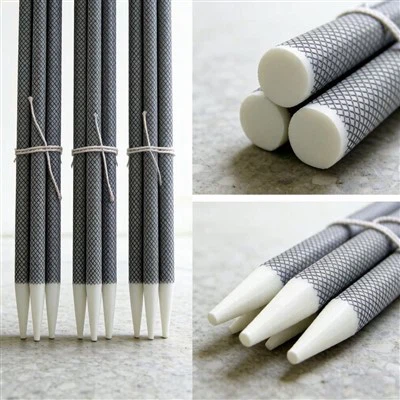
Furthermore, FRP profiles can be customized for special requirements. Simply specify the usage scenario, desired dimensions, shape, color, and provide drawings if available, and manufacturers can quickly produce tailored solutions to perfectly meet diverse needs without compromising on standard products.