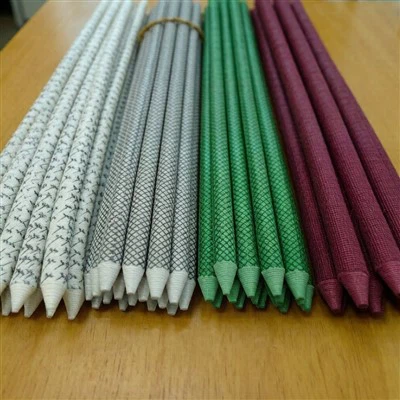
Many greenhouse farmers struggle with the choice between FRP poles and bamboo poles for support structures. The decision depends on whether you practice large-scale farming or temporary use. This guide will eliminate confusion and help you make a foolproof choice.
First, let's look at the familiar bamboo poles. Their biggest advantage is low cost and easy availability, making them suitable for temporary use on small plots-such as small vegetable beds or simple temporary greenhouses. However, their drawbacks are significant: bamboo easily molds and rots, especially in humid greenhouses, cracking or breaking within a year. They also harbor insect eggs, increasing pest risks that harm crops, requiring annual replacements which are both troublesome and costly.
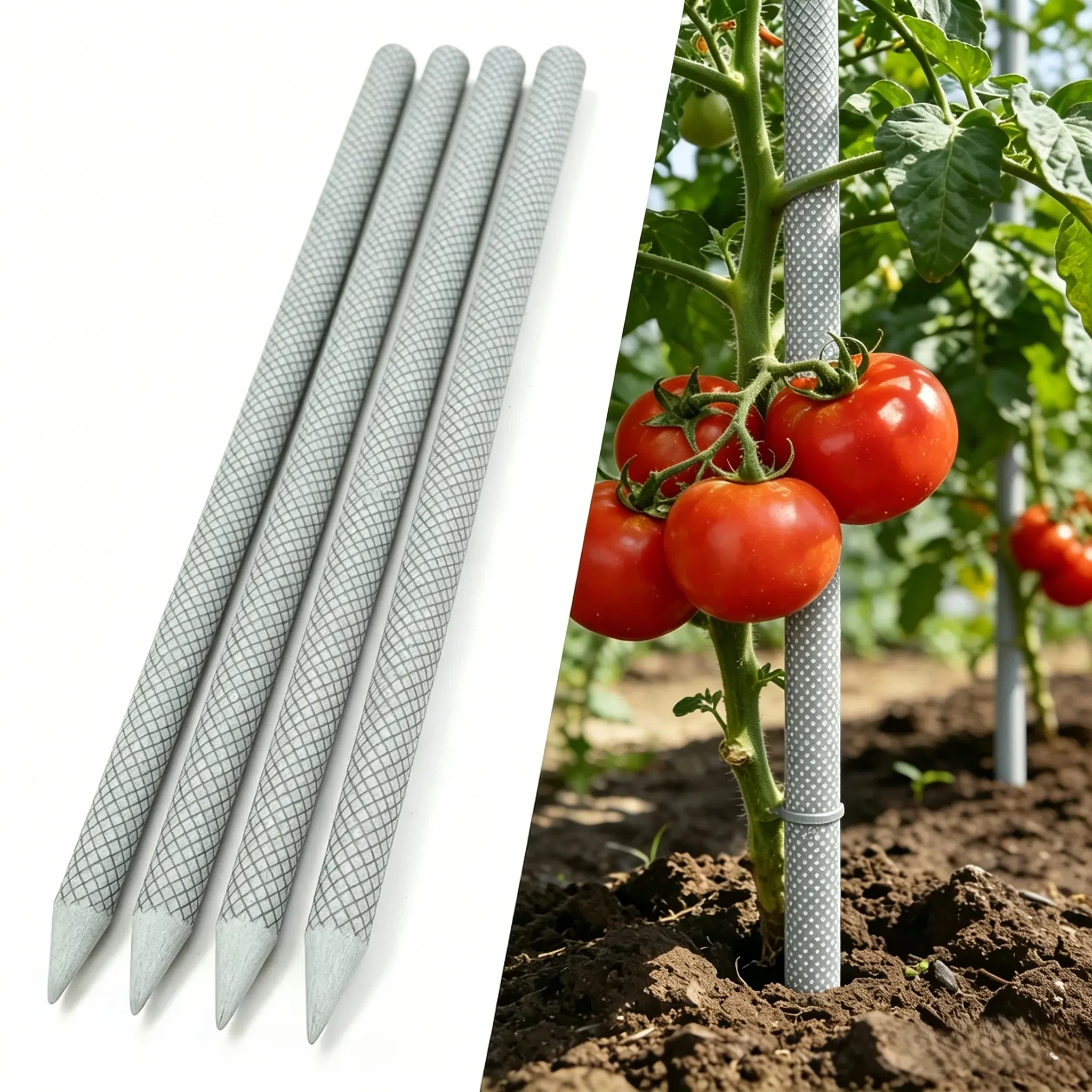
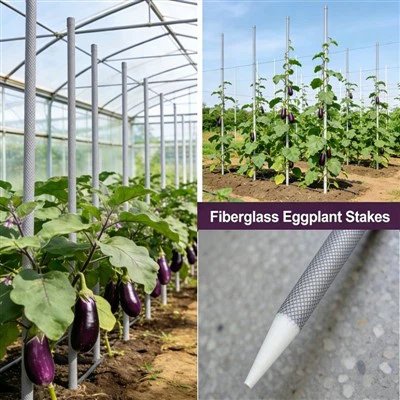
Now consider FRP poles. While slightly more expensive upfront, they offer far better cost-effectiveness, ideal for large-scale greenhouse farming. Their greatest strength is durability: non-rotting, insect-proof, and resistant to fertilizers, water, and pesticides. They also have high toughness and wind resistance, rarely breaking in strong winds. With consistent specifications, greenhouses built with FRP poles are neater and more uniform. Most importantly, they are reusable for several years, proving more economical than annual bamboo pole purchases and reducing maintenance time for crop care.
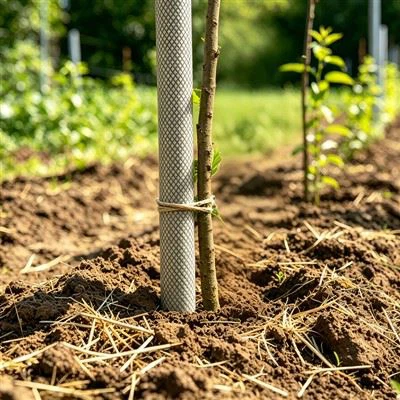
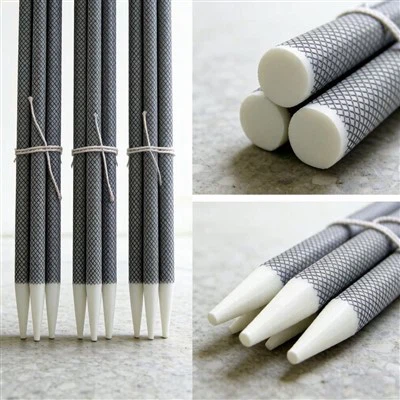
FRP poles also offer additional benefits: smooth surfaces prevent vine damage, anti-slip designs secure branches firmly, and pointed ends enable effortless soil insertion without strenuous digging. Whether growing climbing fruits/vegetables or low-lying crops, selecting the right thickness and length ensures hassle-free use, making FRP poles an invaluable tool for greenhouse farmers.