What is the Shear Strength of FRP Round Tubes?
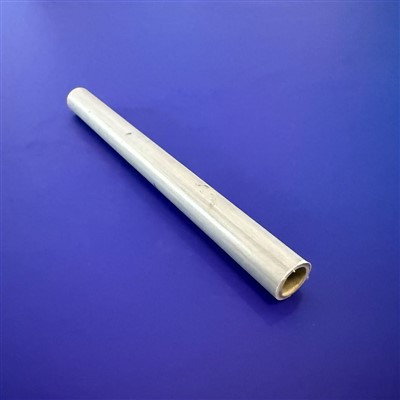
As a supplier of FRP round tubes, understanding the shear strength of these products is crucial for both us and our customers. FRP, or Fiber - Reinforced Polymer, is a composite material known for its high strength - to - weight ratio, corrosion resistance, and versatility. FRP round tubes are widely used in various industries such as construction, aerospace, and transportation.
Understanding Shear Strength
Shear strength refers to the maximum amount of shear stress that a material can withstand before it fails. In the case of FRP round tubes, shear stress occurs when a force is applied parallel to the cross - section of the tube. This can happen, for example, when the tube is subjected to bending or when it is used in a structure where lateral forces are present.
The shear strength of FRP round tubes is influenced by several factors. One of the most important factors is the type and orientation of the fibers used in the composite. Fibers such as glass, carbon, or aramid are commonly used in FRP. Glass fibers are relatively inexpensive and provide good strength and stiffness. Carbon fibers, on the other hand, are much stronger and lighter, but they are also more expensive. The orientation of the fibers can significantly affect the shear strength. Fibers oriented parallel to the direction of the shear force will provide more resistance to shear than those oriented perpendicular to it.

Another factor that affects the shear strength is the resin matrix. The resin binds the fibers together and transfers the load between them. Different types of resins, such as epoxy, polyester, and vinyl ester, have different mechanical properties. Epoxy resins generally offer higher strength and better chemical resistance compared to polyester and vinyl ester resins.
The manufacturing process also plays a role in determining the shear strength of FRP round tubes. Pultrusion is a common manufacturing method for FRP round tubes. In pultrusion, continuous fibers are pulled through a resin bath and then through a heated die to form the tube. The quality of the pultrusion process, including the speed of pulling, the temperature of the die, and the resin - fiber ratio, can affect the final shear strength of the tube.
Measuring Shear Strength
There are several methods for measuring the shear strength of FRP round tubes. One common method is the short - beam shear test. In this test, a short section of the tube is placed between two supports and a load is applied at the center until the tube fails. The shear strength is then calculated based on the applied load and the cross - sectional area of the tube.
Another method is the torsional shear test. In this test, the tube is subjected to a twisting force, and the shear strength is determined by measuring the torque required to cause failure. This method is particularly useful for assessing the shear strength of tubes under torsional loads, which are common in applications such as drive shafts.
Importance of Shear Strength in Applications
The shear strength of FRP round tubes is of great importance in many applications. In construction, for example, FRP round tubes are used as structural members in buildings and bridges. The shear strength of these tubes determines their ability to withstand lateral forces such as wind and seismic loads. If the shear strength is insufficient, the tubes may fail under these loads, leading to structural damage or even collapse.
In the aerospace industry, FRP round tubes are used in the construction of aircraft components. The high shear strength of FRP tubes allows them to withstand the complex forces experienced during flight, such as aerodynamic forces and vibrations.
In the transportation industry, FRP round tubes are used in the manufacturing of vehicle frames and suspension systems. The shear strength of these tubes is crucial for ensuring the safety and performance of the vehicles.
Our Products and Shear Strength
As a supplier of FRP Round Tube, we are committed to providing high - quality products with excellent shear strength. Our tubes are manufactured using state - of - the - art pultrusion technology, which ensures a uniform distribution of fibers and resin throughout the tube. We use high - quality fibers and resins to maximize the shear strength of our products.
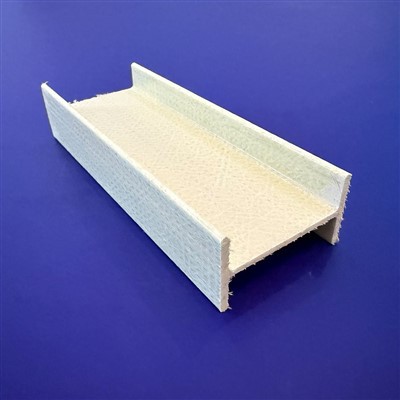
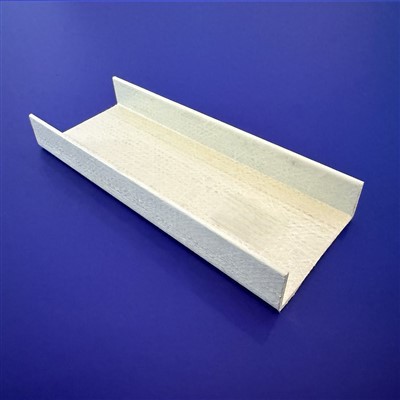
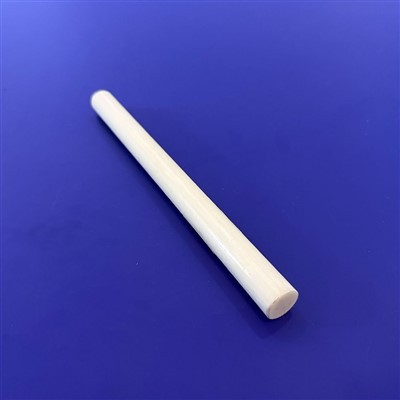
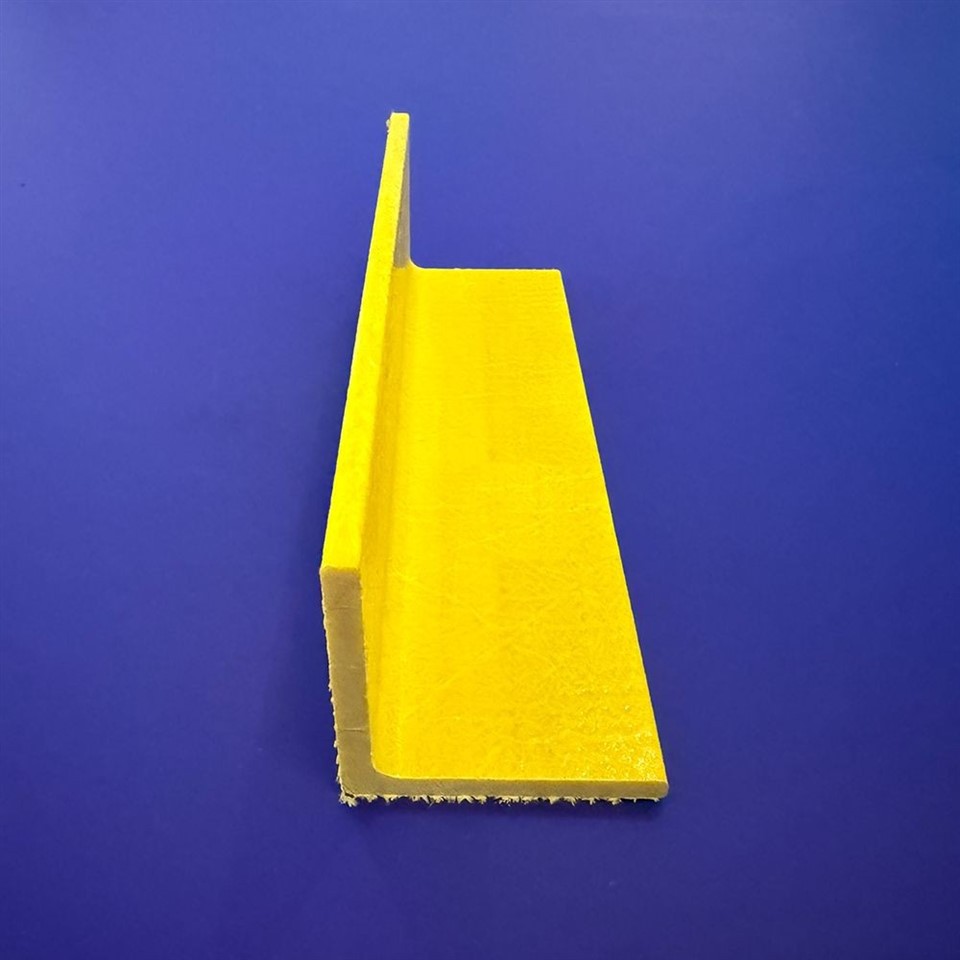
We also offer a range of other FRP products, such as FRP Solid Rod and FRP Angle. These products also have good shear strength properties and are suitable for a variety of applications.
Contact Us for Purchase
If you are interested in purchasing FRP round tubes or any of our other FRP products, we invite you to contact us. Our team of experts can provide you with detailed information about the shear strength and other properties of our products. We can also help you select the right product for your specific application. Whether you are in the construction, aerospace, or transportation industry, we have the products and expertise to meet your needs.
References
- Hull, D., & Clyne, T. W. (1996). An Introduction to Composite Materials. Cambridge University Press.
- Gibson, R. F. (2012). Principles of Composite Material Mechanics. CRC Press.
- ASME PCC - 2. (2018). Guidelines for the Pressure Design of Fiberglass - Reinforced Plastic (FRP) Equipment. American Society of Mechanical Engineers.