When it comes to choosing the right material for various applications, weatherability is a crucial factor to consider. As a supplier of FRP (Fiber Reinforced Polymer) Flat Bars, I've witnessed firsthand the increasing demand for materials that can withstand the test of time and the elements. In this blog post, I'll compare the weatherability of FRP Flat Bars to other commonly used materials, highlighting the advantages that make FRP a top choice for outdoor and harsh environment applications.
Understanding Weatherability
Weatherability refers to a material's ability to resist the effects of weather conditions such as sunlight, rain, wind, humidity, and temperature fluctuations. Over time, exposure to these elements can cause materials to deteriorate, leading to issues like corrosion, fading, cracking, and structural damage. A material with good weatherability will maintain its physical and mechanical properties, appearance, and performance over an extended period, even in challenging environments.
FRP Flat Bars: A Weather-Resistant Solution
FRP Flat Bars are made from a combination of high-strength fibers, such as glass or carbon, embedded in a polymer matrix. This unique composition gives FRP Flat Bars several properties that contribute to their excellent weatherability:
- UV Resistance: FRP Flat Bars are highly resistant to ultraviolet (UV) radiation, which is a major cause of fading and degradation in many materials. The polymer matrix in FRP acts as a protective layer, preventing UV rays from penetrating the fibers and causing damage. This means that FRP Flat Bars can maintain their color and appearance for years, even when exposed to direct sunlight.
- Corrosion Resistance: Unlike metals, FRP Flat Bars are not susceptible to corrosion. They do not rust or corrode when exposed to moisture, chemicals, or saltwater, making them ideal for use in coastal areas, chemical processing plants, and other harsh environments. This corrosion resistance also extends the lifespan of FRP Flat Bars, reducing the need for frequent replacements.
- Moisture Resistance: FRP Flat Bars have a low water absorption rate, which means they are less likely to absorb moisture and swell or warp. This makes them suitable for use in wet or humid environments, such as bathrooms, swimming pools, and outdoor structures.
- Thermal Stability: FRP Flat Bars have a high thermal stability, which means they can withstand a wide range of temperatures without losing their strength or shape. They do not expand or contract significantly with temperature changes, reducing the risk of cracking or warping.
Comparison with Other Materials
To better understand the weatherability of FRP Flat Bars, let's compare them to other commonly used materials:
Steel
Steel is a popular material for many applications due to its strength and durability. However, it is highly susceptible to corrosion, especially when exposed to moisture and saltwater. Over time, rust can weaken the steel structure, leading to safety issues and costly repairs. In contrast, FRP Flat Bars are corrosion-resistant and do not require any special coatings or treatments to protect them from the elements.
Aluminum
Aluminum is another lightweight and corrosion-resistant material. While it is more resistant to corrosion than steel, it can still be affected by certain chemicals and environmental conditions. Aluminum also has a relatively low melting point, which can limit its use in high-temperature applications. FRP Flat Bars, on the other hand, have a high thermal stability and can withstand extreme temperatures without losing their strength or shape.
Wood
Wood is a natural and aesthetically pleasing material, but it is prone to rot, decay, and insect damage when exposed to moisture and the elements. It also requires regular maintenance, such as staining and sealing, to protect it from the weather. FRP Flat Bars, on the other hand, are low-maintenance and do not require any special treatment to maintain their appearance and performance.
Applications of FRP Flat Bars
The excellent weatherability of FRP Flat Bars makes them suitable for a wide range of applications, including:
- Outdoor Structures: FRP Flat Bars are commonly used in the construction of outdoor structures such as bridges, walkways, handrails, and fences. Their corrosion resistance and high strength make them ideal for use in harsh environments, where traditional materials may not be able to withstand the elements.
- Chemical Processing Plants: FRP Flat Bars are resistant to a wide range of chemicals, making them suitable for use in chemical processing plants, where they can be exposed to corrosive substances. They are also non-conductive, which makes them a safe choice for electrical applications.
- Marine Applications: FRP Flat Bars are widely used in the marine industry due to their corrosion resistance and lightweight. They are used in the construction of boats, docks, and other marine structures, where they can withstand the harsh conditions of saltwater and UV radiation.
- Electrical Applications: FRP Flat Bars are non-conductive and have a high dielectric strength, making them suitable for use in electrical applications. They are used in the construction of electrical enclosures, switchgear, and other electrical components, where they can provide insulation and protection.
Other FRP Products
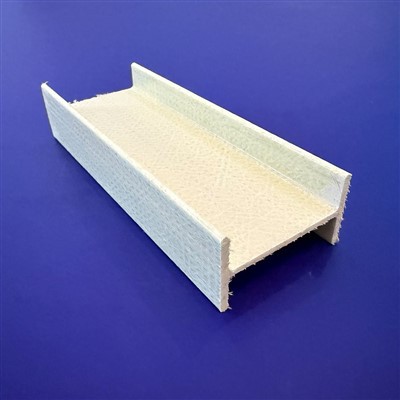
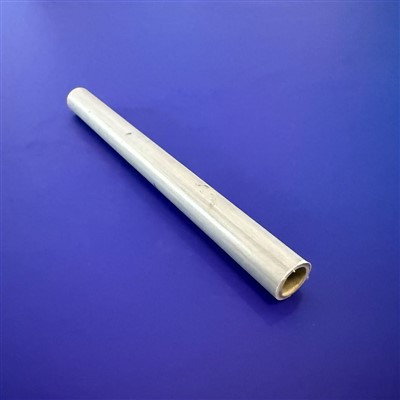
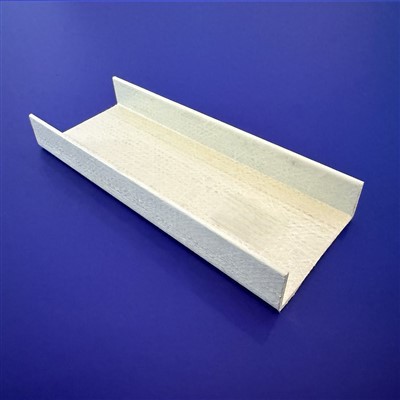
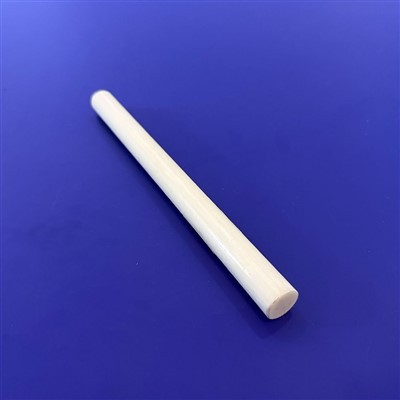
In addition to FRP Flat Bars, we also offer a range of other FRP products, including FRP U Channel, FRP Square Tube, and FRP T Profile. These products share the same excellent weatherability and performance characteristics as FRP Flat Bars, making them suitable for a variety of applications.
Conclusion
In conclusion, the weatherability of FRP Flat Bars is superior to many other commonly used materials. Their UV resistance, corrosion resistance, moisture resistance, and thermal stability make them a top choice for outdoor and harsh environment applications. Whether you're building an outdoor structure, a chemical processing plant, or a marine vessel, FRP Flat Bars offer a durable and long-lasting solution.
If you're interested in learning more about our FRP Flat Bars or other FRP products, please don't hesitate to contact us. We'd be happy to discuss your specific needs and provide you with a customized solution.


References
- "Fiber Reinforced Polymer (FRP) Composites in Civil Infrastructure." American Society of Civil Engineers.
- "Weathering of Polymer Matrix Composites." Journal of Composite Materials.
- "Corrosion Resistance of FRP Materials." Corrosion Science.