As a supplier of marker stakes, I understand the importance of maintaining these essential tools in top - notch condition. Marker stakes are widely used in various industries such as agriculture, construction, and landscaping. They help in marking boundaries, indicating the location of underground utilities, or supporting plants. Over time, these stakes can accumulate dirt, grime, and other contaminants, which not only affect their appearance but also their functionality. In this blog, I will share some effective ways to clean marker stakes to ensure they continue to serve their purpose effectively.


Why Cleaning Marker Stakes is Necessary
Before delving into the cleaning methods, it's crucial to understand why cleaning marker stakes is so important. Firstly, dirty stakes can be difficult to see, especially if they are used for marking purposes. For example, in a construction site, dirty stakes may not be easily visible to workers, leading to potential errors in measurements and positioning. In an agricultural setting, dirty stakes can make it hard for farmers to identify plant rows or boundaries, which can impact crop management.
Secondly, dirt and debris can cause corrosion, especially if the stakes are made of metal. Corrosion weakens the structure of the stakes, reducing their lifespan and making them less reliable. Even for stakes made of materials like fiberglass, dirt can accumulate in the grooves and affect their reflective properties.
Types of Marker Stakes and Their Cleaning Requirements
There are different types of marker stakes available in the market, and each type has its own cleaning requirements.
Fiberglass Reflective Stakes
Fiberglass Reflective Stakes are popular due to their durability and high visibility. These stakes are often used in traffic control, construction sites, and outdoor events. To clean fiberglass reflective stakes, start by removing any loose dirt or debris with a soft - bristled brush. You can use a dry brush or a slightly damp one. Avoid using abrasive materials as they can scratch the reflective surface.
Next, prepare a mild cleaning solution. A mixture of warm water and a gentle dish soap works well. Dip a soft cloth or sponge into the solution and gently wipe the stakes. Pay special attention to the reflective areas. Rinse the stakes thoroughly with clean water to remove any soap residue. After rinsing, dry the stakes with a clean, dry cloth. This will prevent water spots from forming on the reflective surface.
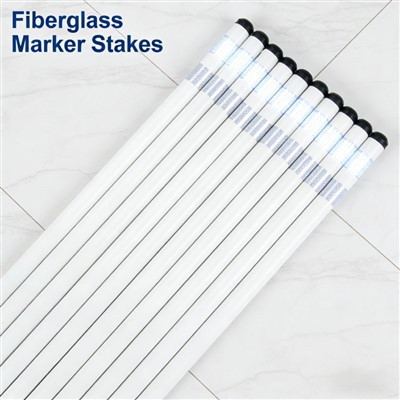
Fiberglass Marker Stakes
Fiberglass Marker Stakes are commonly used in agriculture for marking plant rows and boundaries. They are also used in landscaping for similar purposes. Cleaning these stakes is relatively straightforward. You can start by hosing them down to remove large particles of dirt. Then, use a bucket of soapy water and a sponge to scrub the stakes. A general - purpose household cleaner can also be used, but make sure it is safe for fiberglass.
After scrubbing, rinse the stakes well to remove all the soap and dirt. Let them air - dry in a well - ventilated area. If there are stubborn stains on the stakes, you can use a non - abrasive cleaner specifically designed for fiberglass. Apply the cleaner according to the manufacturer's instructions and then rinse thoroughly.
Metal Marker Stakes
Metal stakes, such as steel or aluminum stakes, are often used in construction and fencing. Cleaning metal stakes requires a different approach. First, check for any signs of rust. If there is rust on the stakes, you can use a wire brush to remove the loose rust. For more stubborn rust, you can use a rust remover. Apply the rust remover according to the product's instructions, usually by soaking the stakes or applying the solution directly to the rusted areas.
After removing the rust, clean the stakes with a soapy water solution. Use a sponge or a cloth to scrub the stakes, paying attention to all the surfaces. Rinse the stakes thoroughly to remove the soap and any remaining rust particles. To prevent future rusting, you can apply a rust - preventive coating to the stakes. This can be a paint or a specialized rust - proofing spray.
Step - by - Step Cleaning Process
- Initial Inspection: Before starting the cleaning process, inspect the stakes for any damage or signs of wear. If there are any broken or damaged stakes, it may be necessary to replace them rather than clean them.
- Removal of Loose Debris: Use a brush or a compressed air gun to remove any loose dirt, leaves, or other debris from the stakes. This will make the subsequent cleaning steps more effective.
- Preparation of Cleaning Solution: Depending on the type of stakes, prepare an appropriate cleaning solution. As mentioned earlier, a mild dish soap and warm water solution is a good starting point for most stakes.
- Cleaning: Dip a soft cloth, sponge, or brush into the cleaning solution and gently clean the stakes. Make sure to cover all the surfaces, including the sides and the tips. For stakes with hard - to - reach areas, you can use a toothbrush or a small brush.
- Rinsing: After cleaning, rinse the stakes thoroughly with clean water. Make sure to remove all the soap and dirt from the stakes.
- Drying: Allow the stakes to dry completely. You can let them air - dry in a well - ventilated area or use a clean, dry cloth to speed up the drying process.
Tips for Maintaining Clean Marker Stakes
- Regular Cleaning: Establish a regular cleaning schedule for your marker stakes. Depending on the environment in which they are used, you may need to clean them monthly, quarterly, or even more frequently.
- Proper Storage: When not in use, store the stakes in a dry and clean place. This will prevent them from getting dirty or damaged.
- Avoid Harsh Chemicals: Use mild cleaning solutions and avoid harsh chemicals that can damage the stakes. Harsh chemicals can corrode metal stakes and damage the surface of fiberglass stakes.
Conclusion
Cleaning marker stakes is an important part of maintaining their functionality and appearance. By following the methods and tips outlined in this blog, you can ensure that your marker stakes remain in good condition for a long time. Whether you are using Fiberglass Reflective Stakes for traffic control or Fiberglass Marker Stakes for agriculture, proper cleaning will enhance their performance.
If you are interested in purchasing high - quality marker stakes or have any questions about cleaning and maintenance, feel free to reach out to us. We are here to assist you in finding the right marker stakes for your needs and providing you with the best advice on their care.
References
- General knowledge about marker stakes from industry experience.
- Manufacturer's guidelines for fiberglass and metal stakes.