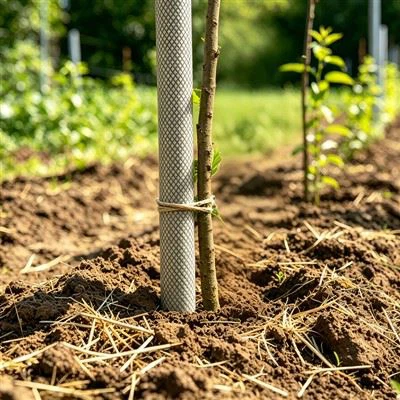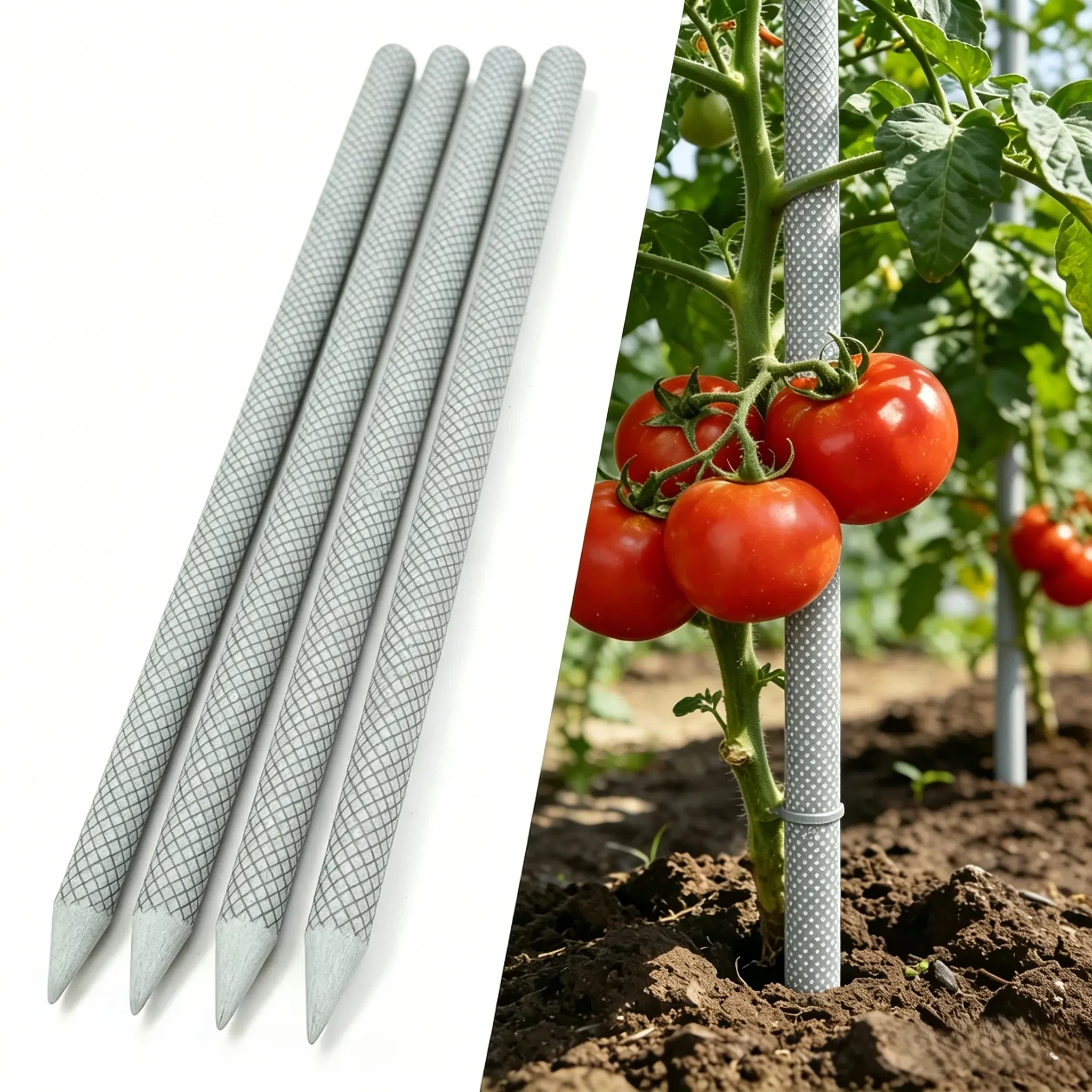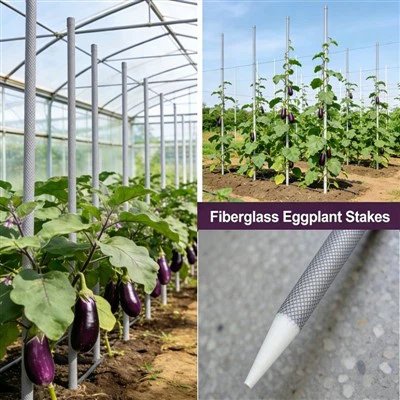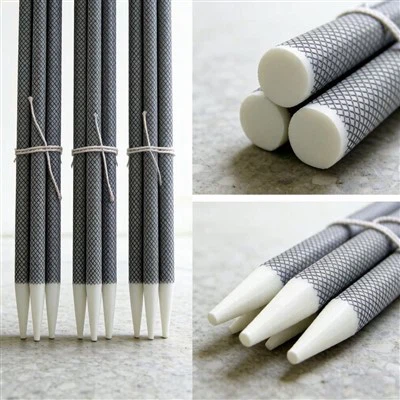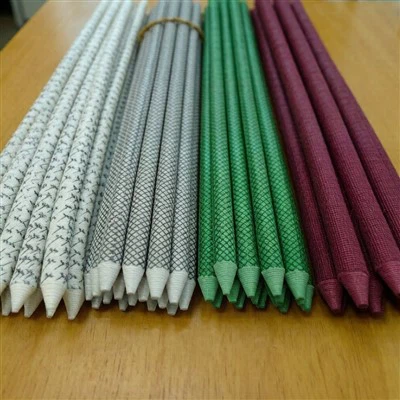
The core feature of climbing plant support frames is that they provide directional guidance and structural support based on the climbing habits of plants, combining functionality, aesthetics, and ecological value. They are a key carrier for achieving vertical greening and efficient horticulture.
Different types of support frames not only help plants grow healthily but also optimize space utilization and enhance the landscape effect. The following is a systematic analysis of their main features:
1. Adhesive Support Frames (e.g., Virginia creeper, ivy): The frame provides a rough or mesh surface to facilitate aerial root attachment, allowing for direct wall mounting.
2. Twining Support Frames (e.g., wisteria, morning glory): Provides thin-diameter vertical poles or ropes to facilitate natural spiral twining of stems, avoiding the impact of overly thick structures on climbing.
3. Tendril Support Frames (e.g., grapes, clematis): Uses a grid-like or ring-shaped frame (mesh size approximately 10cm) to facilitate tendril gripping and extension.
Thorny varieties (such as climbing roses) are suitable. Equip arches or pergolas with crossbars or wires for branches to hook and extend, promoting ventilation and flowering.