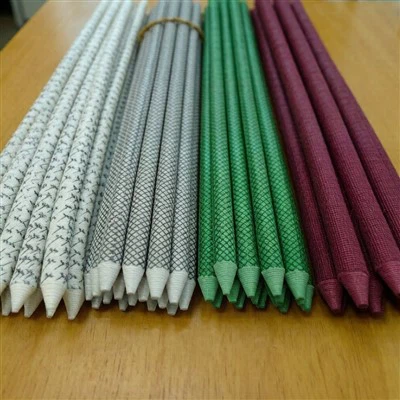
Fiberglass ladder rail profiles are widely used in power, telecommunications, chemical, municipal, and public facilities industries, providing safe, insulated, and corrosion-resistant structural support for high-altitude operations.
This type of profile uses glass fiber reinforced plastic (FRP) as its core material, possessing lightweight, high strength, non-conductive, and corrosion-resistant properties, making it particularly suitable for industrial scenarios with high safety and durability requirements.
Chemical and Petrochemical Industries: Ladders, platforms, walkways, and maintenance access routes in corrosive environments. Resistant to acids, alkalis, salt spray, and organic solvents, with a service life of 15-20 years, far exceeding that of steel structures.
Wastewater Treatment and Municipal Engineering: Used in wastewater treatment plants, car washes, coastal docks, tree grates, and other damp, corrosive, or slip-resistant areas to prevent steel components from rusting and wooden components from rotting.
Power and Energy Facilities: Due to its high resistivity (over 10¹² Ω·m), fiberglass is non-conductive, meeting the State Grid's safety requirements for insulated ladders. Widely used in substations, distribution rooms, communication base stations, and power line maintenance ladders for live-line work scenarios.