Hey there, gardening enthusiasts! As a supplier of Fiberglass Marker Stakes, I often get asked if these stakes are suitable for garden use. Well, let's dive right into it and explore the ins and outs of using fiberglass marker stakes in your garden.
What Are Fiberglass Marker Stakes?
First off, let's talk about what fiberglass marker stakes are. They're made from fiberglass, a strong and durable material. Fiberglass is a composite material that combines glass fibers with a resin matrix. This gives the stakes some great properties. They're lightweight, which makes them easy to handle and move around in the garden. And they're also flexible, so they can bend without breaking, even in windy conditions.
Advantages of Using Fiberglass Marker Stakes in the Garden
Durability
One of the biggest advantages of fiberglass marker stakes is their durability. Unlike wooden stakes, which can rot over time when exposed to moisture, fiberglass stakes are resistant to rot and decay. They can withstand the elements, whether it's rain, snow, or intense sunlight. This means you won't have to replace them as often, saving you money in the long run.
Visibility
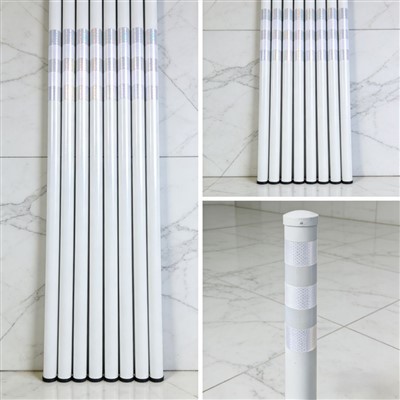
Fiberglass marker stakes are often highly visible. Some come with reflective strips, like the Fiberglass Reflective Stakes. These reflective stakes are great for marking paths, boundaries, or specific areas in your garden. You can easily spot them from a distance, even in low - light conditions. This is especially useful if you have a large garden or if you're working in the early morning or late evening.
Flexibility
As I mentioned earlier, fiberglass stakes are flexible. This is a huge plus in the garden. When strong winds blow, the stakes can bend instead of breaking. This is important because it means they'll stay in place and continue to mark your plants or boundaries. In contrast, wooden or metal stakes might snap under the pressure of strong winds.
Versatility
Fiberglass marker stakes are incredibly versatile. You can use them to mark different types of plants, such as vegetables, flowers, or shrubs. They can also be used to mark the location of underground utilities in your garden, like irrigation lines or electrical cables. And if you're into landscaping, you can use them to mark the edges of flower beds or the layout of a new garden design.
Disadvantages of Using Fiberglass Marker Stakes in the Garden
Cost
One of the main drawbacks of fiberglass marker stakes is their cost. They're generally more expensive than wooden stakes. However, when you consider their long - term durability, the cost might be worth it. You won't have to replace them as frequently, so over time, you might actually save money.
Installation
Installing fiberglass marker stakes can be a bit tricky. They're not as easy to drive into the ground as wooden stakes. You might need a special tool, like a mallet or a post driver, to get them firmly in place. And if the soil is hard, it can be even more challenging.
Comparing Fiberglass Marker Stakes with Other Types of Stakes
Wooden Stakes
Wooden stakes are a popular choice for many gardeners because they're inexpensive and easy to find. However, as I mentioned earlier, they're prone to rot and decay. They also don't last as long as fiberglass stakes. Wooden stakes can also be less visible, especially if they blend in with the surrounding soil or plants.
Metal Stakes
Metal stakes are strong and durable, but they can rust over time, especially if they're exposed to moisture. They're also heavier than fiberglass stakes, which can make them more difficult to handle. And in some cases, metal stakes can conduct heat, which might be a problem if they're in direct sunlight for long periods.
Tips for Using Fiberglass Marker Stakes in the Garden
Choose the Right Size
When selecting fiberglass marker stakes, make sure you choose the right size for your needs. If you're marking small plants, shorter stakes might be sufficient. But if you're marking larger plants or boundaries, you'll need taller stakes.
Proper Installation
As I mentioned, installing fiberglass marker stakes can be a bit challenging. Make sure you use the right tools and techniques. If the soil is hard, you might want to pre - drill a hole before inserting the stake. This will make it easier to get the stake in place.


Maintenance
Fiberglass marker stakes don't require much maintenance. Just make sure to clean them occasionally to remove any dirt or debris. If the reflective strips on the stakes start to fade, you can replace them to keep the stakes visible.
Conclusion
So, are fiberglass marker stakes suitable for garden use? Absolutely! They offer many advantages, such as durability, visibility, flexibility, and versatility. While they might be more expensive and a bit more difficult to install than other types of stakes, their long - term benefits make them a great investment for your garden.
If you're interested in purchasing Fiberglass Marker Stakes for your garden, feel free to reach out to us. We're here to help you find the right stakes for your specific needs. Whether you're a professional gardener or just starting out, our fiberglass marker stakes can make your gardening experience a lot easier and more enjoyable.
References
- General knowledge about fiberglass materials and gardening practices.
- Personal experience as a Fiberglass Marker Stakes supplier.