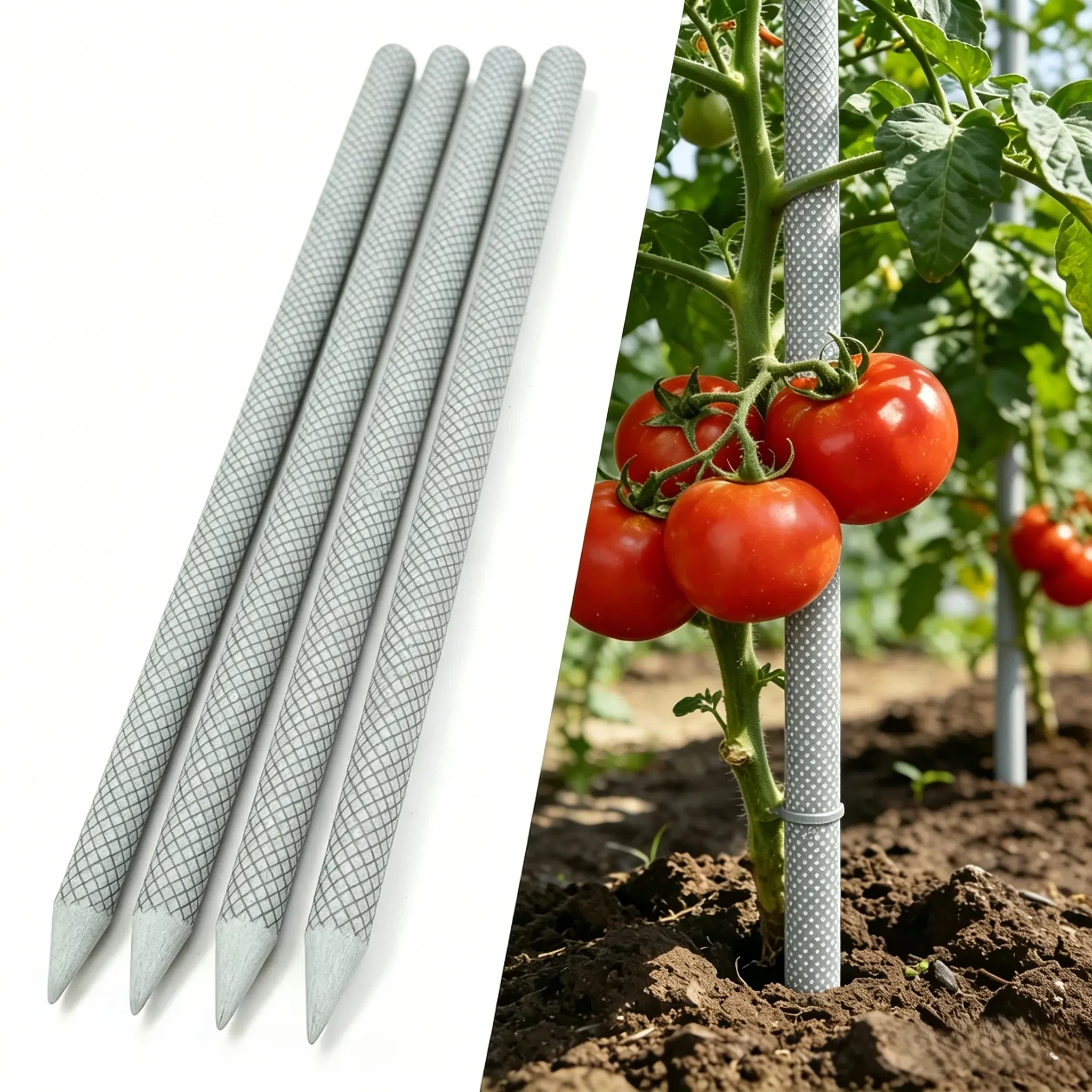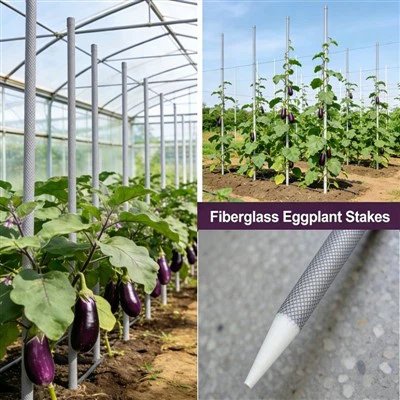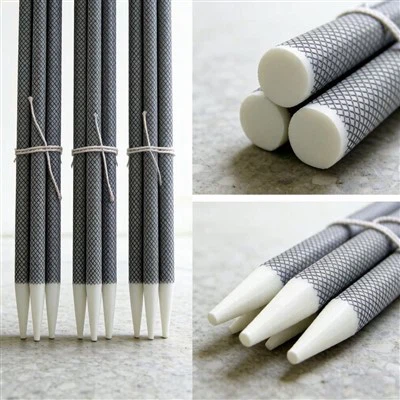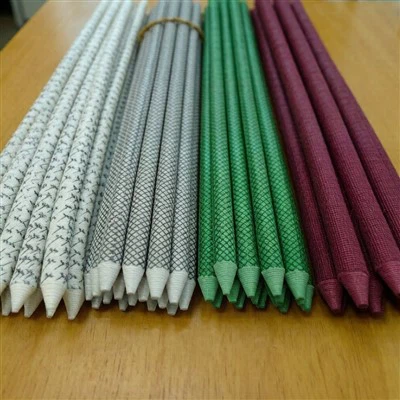
When selecting FRP tent poles, consider diameter, wall thickness, joint type, and applicable season to ensure structural stability, efficient setup, and suitability for the actual usage environment.
As a mainstream choice for mid-range tents, a reasonable combination of parameters can achieve a balance between cost, weight, and performance, making it especially suitable for three-season camping and light outdoor activities.
FRP Tent Pole Diameter: The Core Indicator Determining Wind Resistance
8.5mm–9.5mm: Suitable for tandem hiking tents and ultralight three-season tents; lightweight (approximately 150–200g per pole), suitable for low-altitude use in spring and summer.
10mm–11mm: Recommended for family camping tents or large-capacity tents; higher bending modulus, can withstand 6–7 level gusts, suitable for windy environments in spring and autumn.≥12mm: Commonly found in engineering tents or advertising tents; high strength but relatively heavy, generally not used for backpacking.
FRP Tent Pole Wall Thickness: A Key Factor Affecting Durability and Lifespan
0.9mm–1.1mm: Standard wall thickness, balancing strength and lightweight, suitable for most common uses.
<0.9mm: Too thin, easily deformed in strong winds, only suitable for extremely lightweight tent designs.
>1.1mm: Reinforced wall thickness, increasing compressive strength by approximately 25%, suitable for long-term stationary camping or high-humidity, high-salt environments (such as the beach).