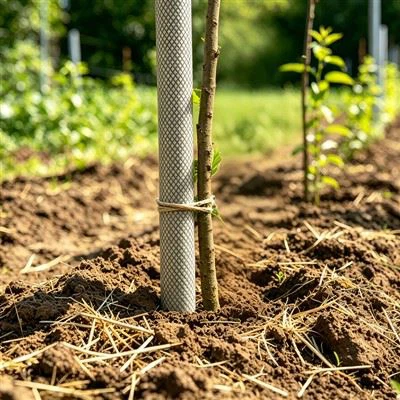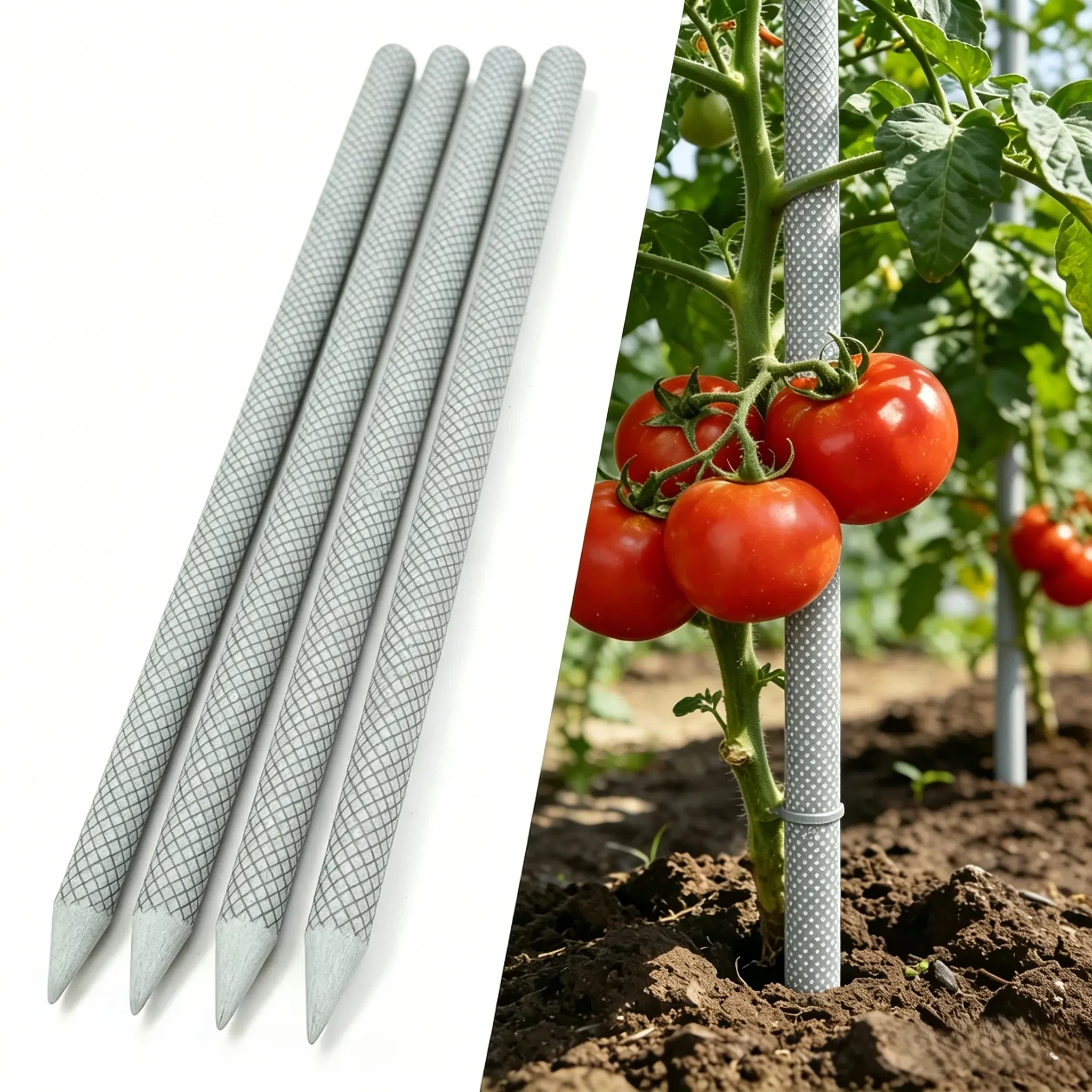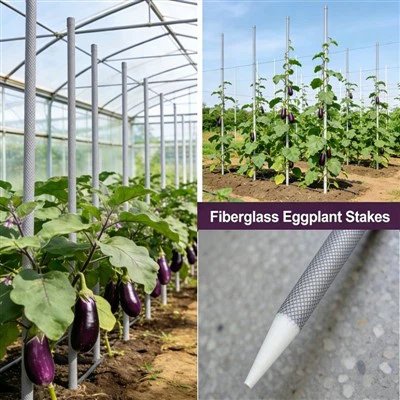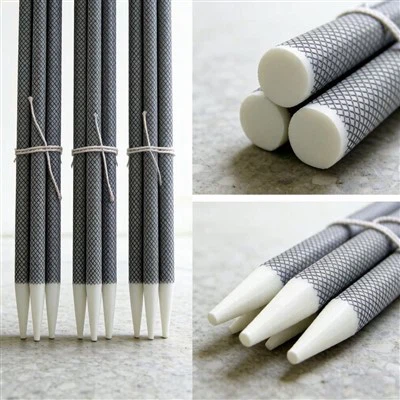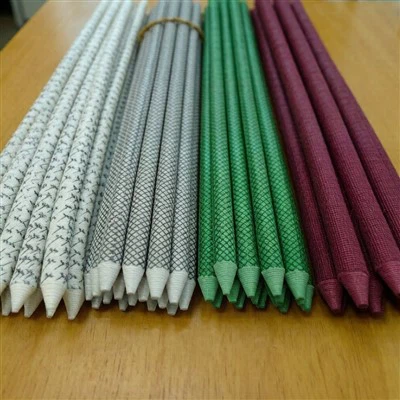
The core function of agricultural plant support systems is to optimize the crop growth environment through physical assistance, significantly improving yield, quality, and management efficiency.
These systems improve growth conditions in multiple aspects, including light, ventilation, and stress resistance, by providing mechanical support and spatial guidance to plants. They are a key measure for increasing yield and efficiency in modern agriculture.
Improving Ventilation and Light Transmission, Enhancing Photosynthesis: Climbing crops or those with weak stems (such as tomatoes, cucumbers, and beans) tend to have overlapping leaves and poor ventilation when creeping on the ground. Support systems encourage upward growth, reducing shading and increasing leaf surface area exposed to light by over 30%, effectively improving photosynthetic efficiency and promoting fruit development.
Expanding Growing Space, Increasing Yield per Unit Area: Through vertical guidance, fully utilizing three-dimensional space, planting density per unit area can be increased by 40%-60%, making them particularly suitable for facility agriculture and home gardens.
Reduce the occurrence of diseases and pests, and lower the risk of rot. Lifting the fruit and stems off the damp ground and avoiding direct contact with the soil significantly reduces soil-borne diseases (such as gray mold and root rot) and pest infestation. For example, using trellises for strawberries can reduce the fruit rot rate by more than 70%.
Enhancing Wind and Rain Resistance and Preventing Lodging: In areas prone to typhoons or heavy rain, support frames effectively stabilize plants, reducing root damage and stem breakage caused by shaking, thus ensuring growth stability.
Facilitating Field Management and Mechanized Operations: Neatly arranged plants make pruning, leaf removal, spraying, and harvesting more convenient and efficient, increasing manual operation efficiency by over 50% and facilitating the passage of small machinery.
Improving Fruit Quality and Marketability: Suspended growth ensures even light exposure and consistent coloring, reducing the rate of deformed fruit and increasing the marketable fruit rate by 20%-30%, with particularly significant effects on tomatoes, eggplants, and other fruiting vegetables.